
Teachers Open Schools Hungry as PTUZ Slams Salary Delays
By Advent Shoko
As Zimbabwean schools open for the first term on 13 January, teachers are returning to classrooms with empty pockets, low morale and growing anger, and the Progressive Teachers Union of Zimbabwe (PTUZ) says this is no accident.
In a hard-hitting opening-of-schools statement dated 12 January, PTUZ president Dr Takavafira M. Zhou accused the government of deliberately delaying action on teachers’ salaries and conditions of service, despite months of petitions, parliamentary lobbying and appeals to the Office of the President.
According to PTUZ, 2025 was a “precipitous year” marked by worsening teacher welfare, deepening poverty and sustained neglect of educators who manage what the union calls the nation’s most valuable asset, its children. Yet, as schools reopen, there is still no clear, time-framed intervention to address low pay and deteriorating working conditions.
At the centre of the dispute is Finance Minister Prof Mthuli Ncube’s position that any salary adjustment must wait for a job evaluation exercise. PTUZ views this process with deep suspicion, warning it could be a stalling tactic designed to offer false hope while prolonging teachers’ suffering.
The union also took aim at Primary and Secondary Education Minister Dr Torerai Moyo, accusing him of focusing on “trivialities” such as increased supervision and personal monitoring of schools, instead of tackling structural crises rocking the education sector. PTUZ argues that issues like massive brain drain, a shrinking education budget, currently pegged at 16.3 percent of total government expenditure, high dropout rates, ballooning teacher-pupil ratios and shortages of learning materials under the Heritage-Based Curriculum demand far more urgent attention.
Beyond salaries, PTUZ says government has consistently undermined social dialogue, opting for procrastination and empty promises instead of meaningful collective bargaining that promotes industrial harmony and productivity.
As part of its opening-term stance, PTUZ has issued an extensive list of demands, including a cost-of-living adjustment, a minimum basic salary of US$540, rural and hardship allowances set at 30 percent, realistic transport and housing allowances, and an increase in education allowance to US$100. The union is also pushing for the hiring of more than 15 000 teachers in 2026, an end to arbitrary transfers, and the establishment of a robust collective bargaining framework anchored in Section 65 of the Constitution.
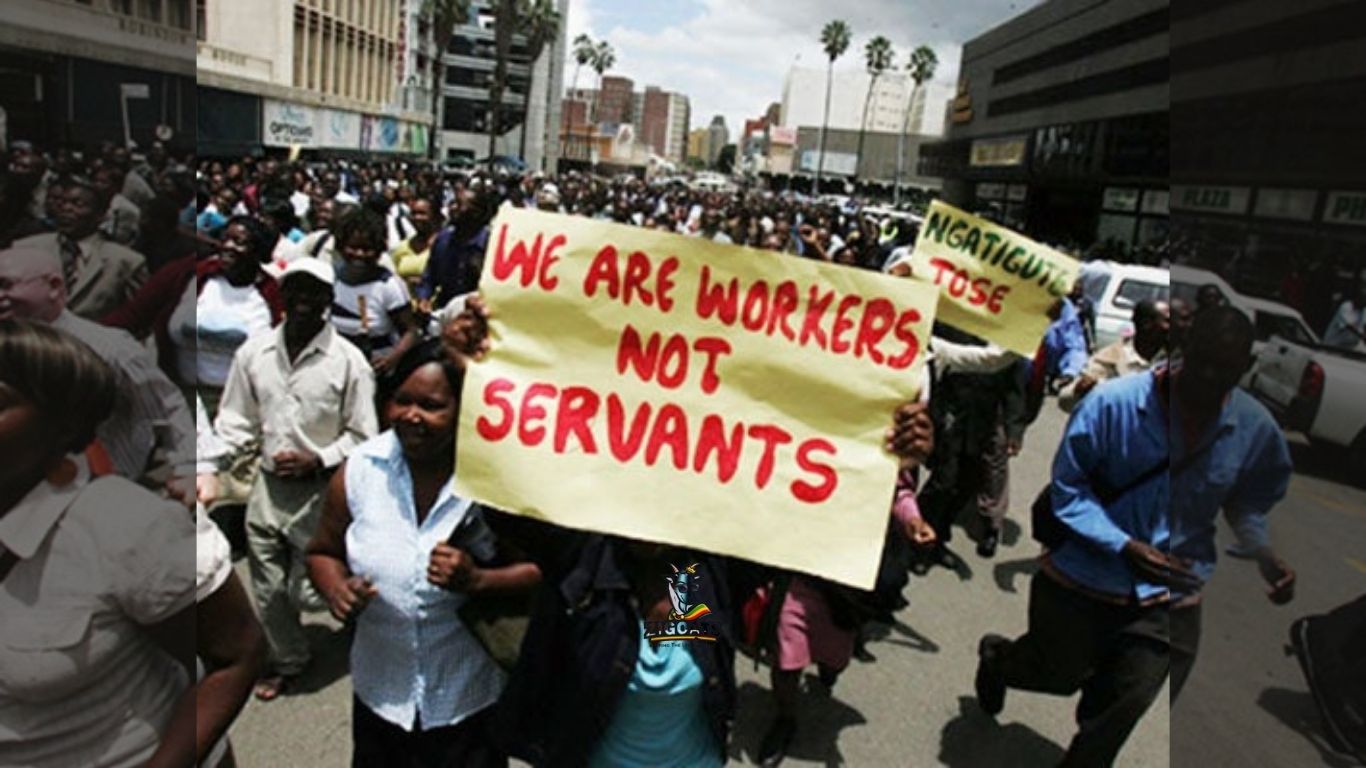
Perhaps most striking is the union’s increasingly militant tone. While engagement remains its preferred route, PTUZ openly warns that industrial action is now firmly on the table. The union argues that a professional group unwilling to fight for its rights will never be taken seriously, adding that radicalisation in defence of dignity and survival “is no vice”.
As classrooms reopen, the standoff exposes a deeper governance challenge: how long can an education system function when those who sustain it are trapped in poverty? For PTUZ, the answer is clear, without urgent intervention, unity across unions and decisive action, the crisis will only deepen.
Leave a Reply