
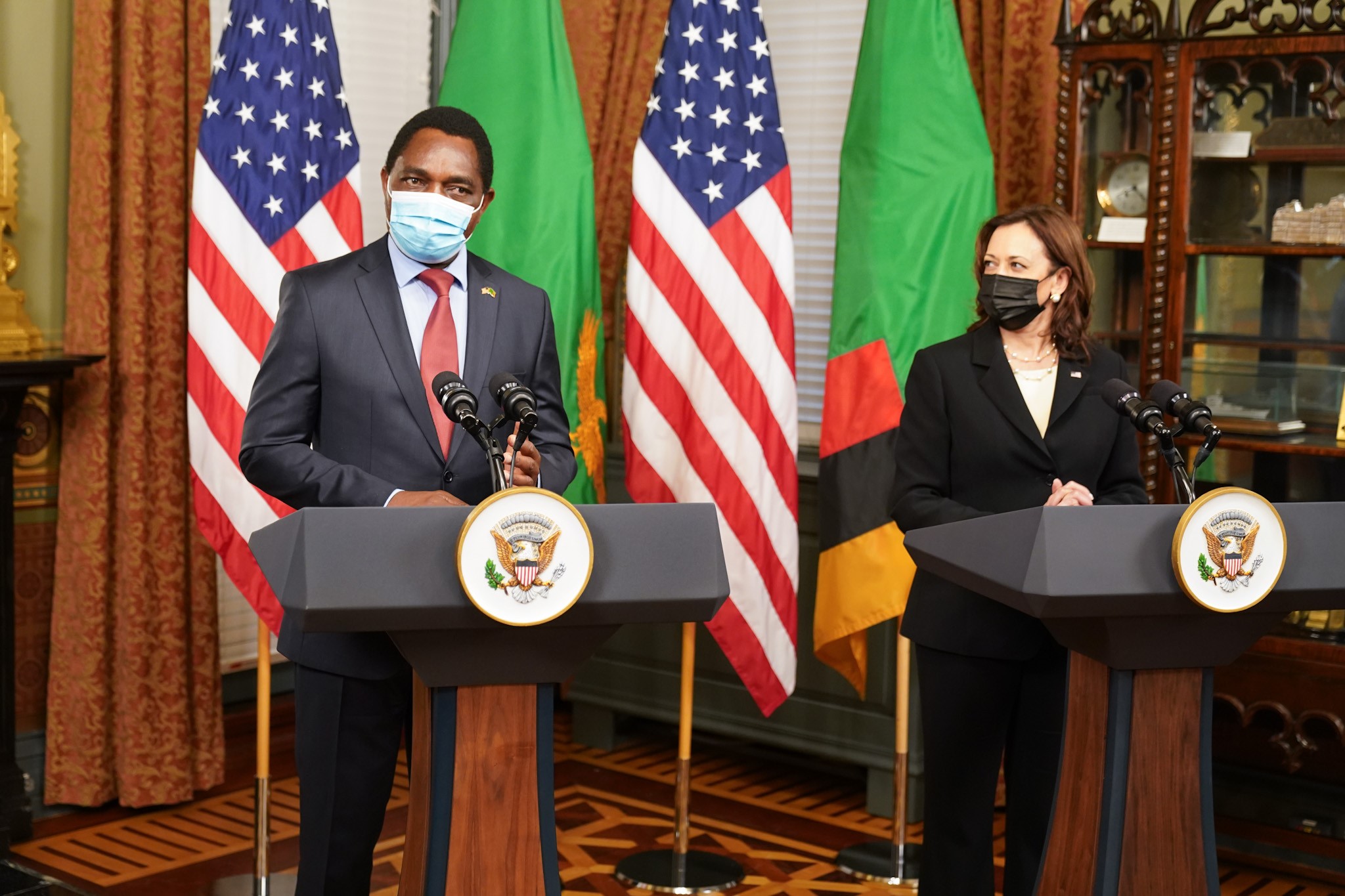
Zambia has rejected a proposed US$1 billion health funding package from the United States (US), saying key conditions in the draft deal did not align with the country’s national interests. The decision places Zambia alongside Zimbabwe, which recently turned down a similar US-funded initiative over concerns around sovereignty, data access and control of mineral resources.
According to Zambia’s Ministry of Health, the draft agreement contained “problematic sections” and “did not align with the position and interests” of the country. While officials avoided directly linking the rejection to mineral access, earlier US statements had referenced “collaboration in the mining sector” as part of a broader partnership framework.
The proposed deal reportedly required Zambia to contribute about US$340 million over five years, alongside US funding exceeding US$1 billion. The package was aimed at fighting diseases and strengthening health systems, but critics argue that it came with strings attached.
Zimbabwe’s Earlier Rejection and US Reaction
Zimbabwe recently declined a similar US health initiative reportedly worth around US$367 million. Harare cited concerns over granting Washington access to sensitive national health data and strategic mineral information.
Following Zimbabwe’s decision, the US Embassy warned that rejecting the deal could affect funding for other development projects. That reaction intensified debate across Southern Africa about sovereignty versus aid dependency.
Zimbabwe’s position was framed around protecting national data systems and ensuring that mineral resources, particularly lithium and other critical minerals, remain under sovereign control. Officials argued that public health cooperation should not compromise national autonomy.
Why Is This Deal Important to the United States?
The US interest in these agreements appears to extend beyond public health. Under the current “America First” policy posture, Washington has emphasised that foreign aid should serve strategic interests.
Africa holds vast reserves of critical minerals essential for electric vehicles, renewable energy infrastructure and advanced technologies. Zambia is Africa’s second-largest copper producer and has cobalt, nickel, manganese, lithium and rare earth elements. Zimbabwe, meanwhile, is one of the world’s fastest-growing lithium producers.
Access to reliable mineral supply chains has become strategically important for the US as it competes globally in battery technology and green energy transition.
Additionally, health data, particularly around infectious diseases, is increasingly viewed as strategic information in global biosecurity planning.
A Sovereignty Moment for Southern Africa?
Zambia’s move signals a growing regional sensitivity to conditional funding agreements. While some analysts argue that turning away large-scale health financing could strain already stretched systems, others say African nations are asserting long-overdue policy independence.
The key question remains: can governments replace external funding without weakening service delivery? For Zimbabwe and Zambia, the balancing act is delicate, protecting sovereignty while maintaining development momentum.
The developments mark a turning point in how African governments negotiate global partnerships, not as passive recipients of aid, but as custodians of strategic resources and national data. Whether this signals a broader continental shift remains to be seen.
Leave a Reply