
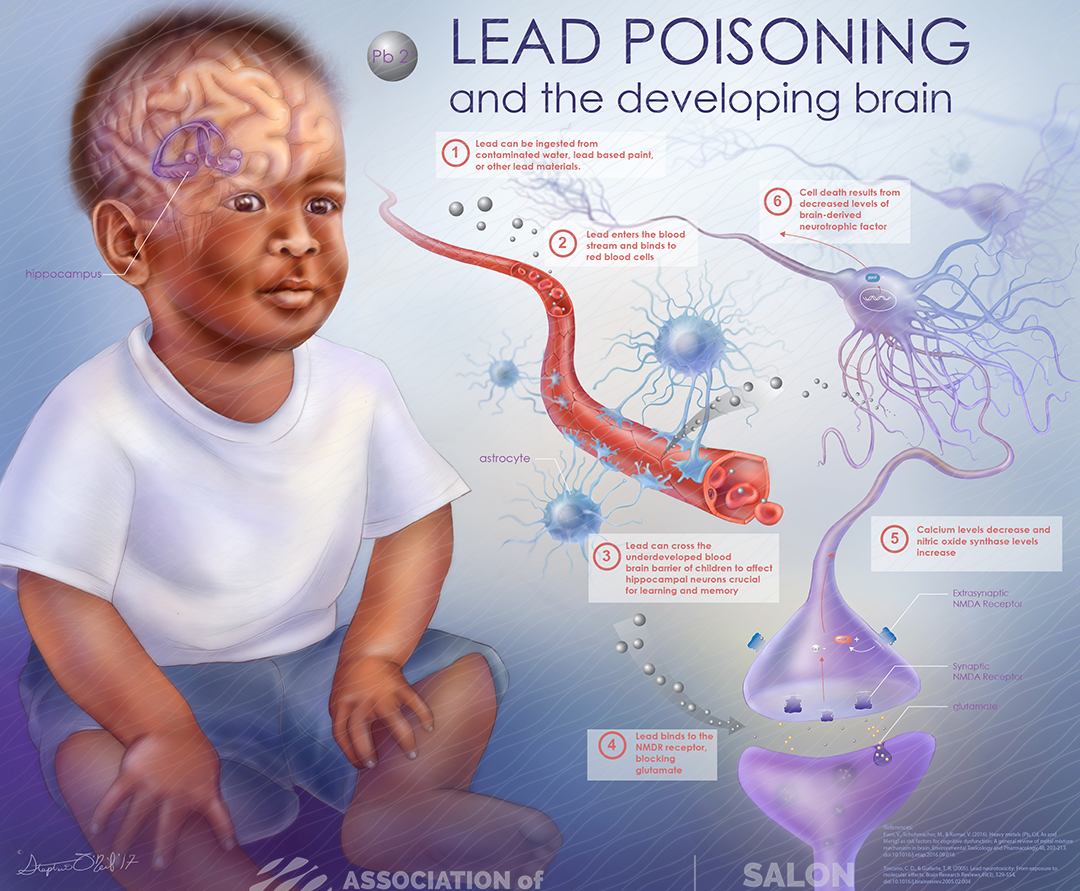
A disturbing global report by UNICEF and Pure Earth has exposed a silent health crisis, lead poisoning that is causing brain damage in children.
UNICEF states:
“Around 1 in 3 children, up to 800 million globally, has blood lead levels at or above 5 micrograms per decilitre (µg/dL), a level that the World Health Organization and the United States Centers for Disease Control and Prevention have stated it requires global and regional interventions.”
What is lead?
Lead is a toxic heavy metal. There is no safe level of exposure. Once it enters a child’s body through breathing contaminated dust, swallowing soil, or drinking polluted water, it attacks the brain and nervous system.
UNICEF warns that,
“lead is a potent neurotoxin that causes irreparable harm to children’s brains.”
Where is lead found?
Lead can be found in old peeling paint, contaminated soil, unsafe water pipes, informal battery recycling, some toys, spices, cosmetics and traditional medicines. In many developing communities, children are exposed through polluted air and unsafe recycling practices.
You May Like This
How serious is it?
The report stresses that lead is,
“particularly destructive to babies and children under the age of 5 as it damages their brain before they have had the opportunity to fully develop, causing them lifelong neurological, cognitive and physical impairment.”
It further notes that,
“childhood lead exposure has also been linked to mental health and behavioural problems and an increase in crime and violence.”
How to prevent it
Keep children away from peeling paint and battery sites. Wash hands regularly. Use clean water sources. Avoid uncertified cosmetics and toys. Ensure homes are free from lead dust.
Lead poisoning is preventable. But without urgent action, it will continue silently damaging young brains and robbing a generation of its full potential.
Signs and Symptoms of Lead Poisoning in Adults Might include:
- High blood pressure.
- Joint and muscle pain.
- Difficulties with memory or concentration.
- Headache.
- Abdominal pain.
- Mood disorders.
- Reduced sperm count and abnormal sperm.
- Miscarriage, stillbirth or premature birth.
Leave a Reply