
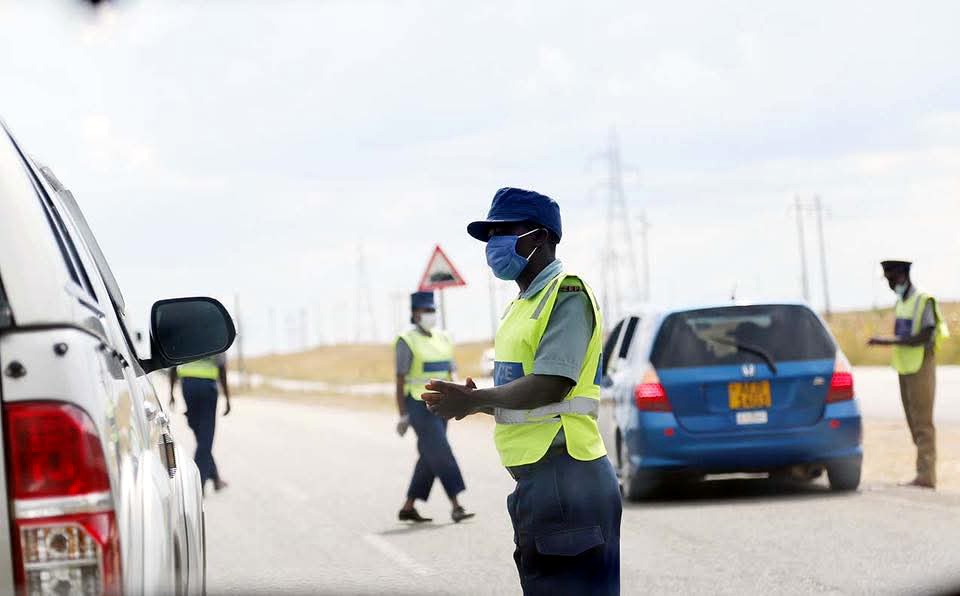
MASVINGO – In a rare moment of candour, Officer Commanding Masvingo Province, Commissioner Fredrick Mbengwa, has openly acknowledged that the Zimbabwe Republic Police (ZRP) has lost public trust, warning that urgent reforms are needed to rebuild confidence and restore professionalism.
Speaking during the relaunch of the Police Service Charter in Masvingo last week, Commissioner Mbengwa used a powerful and relatable metaphor to describe the current state of policing, likening the institution to a once-reliable village well that has become “dirty and salty,” making it difficult and undesirable for people to draw water.
His message was clear: the police must clean up their systems, rebuild accessibility, and restore their value to the communities they serve. Said Mbengwa:
“The trust between the police and the public has in some instances deteriorated and I’m very much aware of it.
The Commissioner General used a powerful metaphor that resonated deeply with me. He likened the state of police public trust to a village well… The water is still there, admittedly life-giving and essential, but the path to it is muddled and the effort to draw from it has become too difficult.”
A TURNING POINT FOR POLICING
The relaunched Police Service Charter signals what authorities describe as a decisive shift from rhetoric to action, with a strong emphasis on accountability, professionalism, and citizen-centred service delivery.
Among the key reforms announced:
Police officers must be courteous, respectful, and professional at all times
Response time targets introduced:
- Urban areas: within 10 minutes
- Rural areas: within 2 hours
- Members of the public must be attended to within 1 minute at police stations
- Name tags to be reintroduced for easy identification
- Deployment of body cameras to enhance transparency and accountability
- A renewed institutional ethos: “to serve rather than to be served”
These measures, if implemented effectively, could mark one of the most significant attempts in recent years to reform public-facing policing standards in Zimbabwe.
A HUMAN-CENTRED APPROACH
Mbengwa struck a notably human tone, acknowledging the lived experiences of ordinary citizens and positioning himself as both a leader and a listener. He said:
“I have walked the same streets as you. I have heard the stories in the marketplaces. I read the concerns in the letters to the editor and felt the yearning for an enhanced police service in my own community.”
This admission reflects a growing recognition within governance circles that public institutions must reconnect with citizens not only through policy, but through empathy and responsiveness.
FROM PROMISE TO PERFORMANCE
While the charter outlines ambitious service delivery benchmarks, the real test will lie in implementation, a point Mbengwa himself emphasised. He added:
“The charter we are proclaiming today marks a decisive turn. This commitment will be judged not by the elegance of its words, but by the actions it inspires and the results it delivers.”
For many Zimbabweans, long frustrated by delays, perceived corruption, and lack of accountability, the reforms offer cautious hope. However, expectations remain high, and scrutiny is likely to intensify as the new measures roll out.
The relaunch comes at a time when trust in public institutions is under pressure, making police reform not just a security issue, but a governance priority. Restoring confidence in law enforcement is widely seen as critical to strengthening the rule of law, improving service delivery, and fostering social cohesion.
For now, the message from Masvingo is unmistakable: the police leadership is aware of the problem, and is promising change. Whether that promise translates into real transformation will depend on consistency, accountability, and the willingness to confront entrenched practices.
As Mbengwa put it: the well must be cleared, and the water made drinkable again.
Leave a Reply