
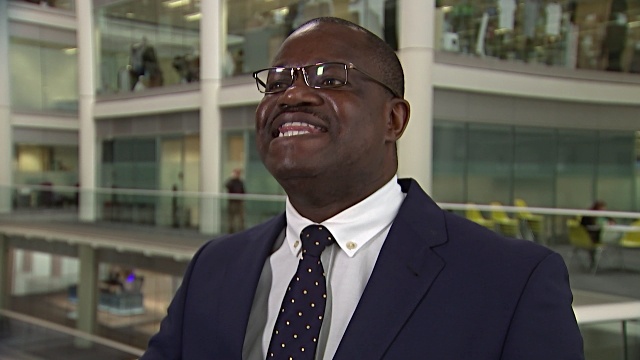
Harare – Zimbabwe’s information secretary, Nick Mangwana, has sparked controversy after citing the 2023 election turnout to argue against frequent elections, amid a heated debate over the proposed Constitutional Amendment Bill No. 3.
Gazetted in February 2026, the bill seeks to extend presidential and parliamentary terms from five to seven years, allow parliament to select the president, and shift voter roll duties to the Registrar-General. Mangwana pointed to the 2023 turnout of about 69% to suggest that citizens are weary of frequent polls.
However, his remarks drew swift backlash from politicians, civil society, and the public. Former Bulawayo mayor and MP David Coltart dismissed Mangwana’s claims as “complete nonsense,” saying low turnout reflects public dissatisfaction with the quality of candidates and fears of electoral malpractice rather than term lengths. Coltart said:
“Obviously MPs don’t want to face the electorate again for fear of losing their seats and perks. And as for voter apathy, that has little to do with the length of Parliament and everything to do with the electorate being uninspired by the crop of parties, policies, and MPs presented to them to choose from.”
CCC MP for Hwange Central, Daniel Fortune Molokele, called for adherence to the Constitution, insisting that elections must be held in 2028 as scheduled, or that a referendum be conducted first. Molokele whonis also a lawyer said:
“Everyone knew in 2023 that their term was going to end in 2028. We cannot rely on personal views of politicians to extend their own terms of office. Elections must be held in 2028 without any exceptions.”
Former CCC MP for Mt Pleasant Fadzayi Mahere also weighed in, criticizing Mangwana for what she called partisan commentary unbecoming of a civil servant. Mahere said:
“If you allege people don’t want elections, why are you afraid of a referendum as required by the Constitution? We need new leaders.”
The remarks come as war veterans have filed lawsuits, churches have expressed objections, and parliament seeks public input. The debate highlights deep divisions over the proposed constitutional changes and raises questions about democratic processes, civic trust, and the future of Zimbabwe’s electoral system.
Leave a Reply