
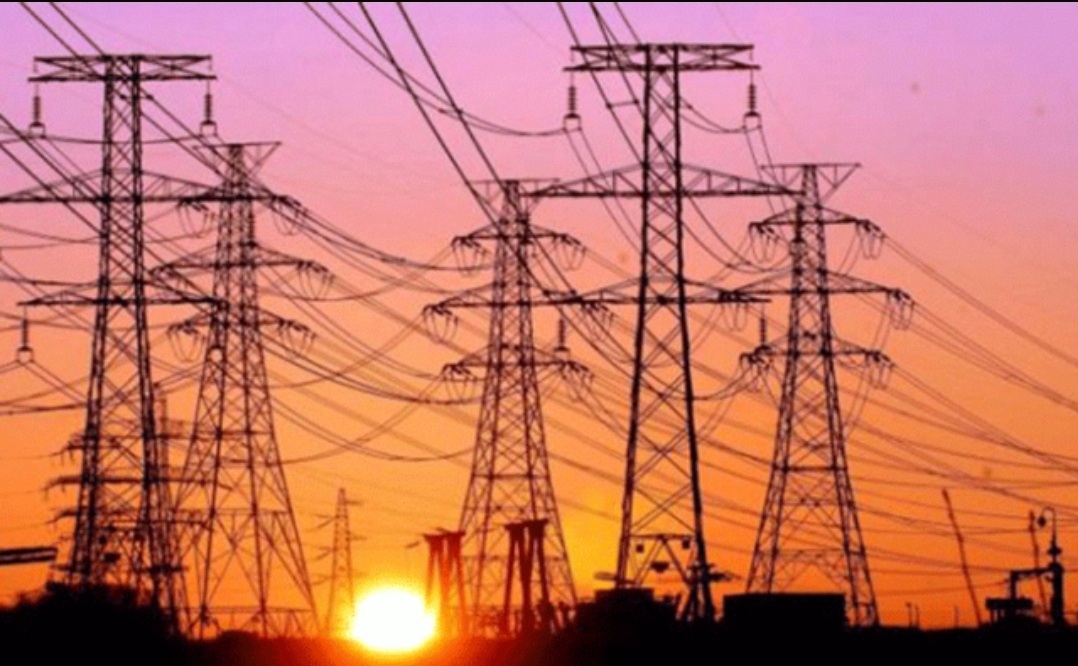
Zimbabwe’s power sector posted steady electricity generation from 08 to 14 February 2026, with a combined output of 8,293 MW over the week. Hwange remained the backbone, contributing between 825 MW and 935 MW daily. Kariba consistently supplied 250 MW, while Independent Power Producers (IPPs) added 51–69 MW, reflecting a growing role for private energy.
Zimbabwe Daily Electricity Generation Highlights:
08 Feb: 1,254 MW total
- Hwange 935 MW,
- Kariba 250 MW,
- IPPs 69 MW)
09 Feb: 1,229 MW
- Hwange 910MW,
- Kariba 250MW,
- IPPs 69MW,
10 Feb: 1,226 MW
- Hwange 910MW,
- Kariba 250MW
- IPPs 66MW
11 Feb 1,161 MW
- Hwange 845MW
- Kariba 250MW
- IPPs 66MW
12 Feb: 1,161 MW
- Hwange 845MW
- Kariba 250MW
- IPPs 66MW
13 Feb: 1,236 MW
- Hwange 920MW
- Kariba 250MW
- IPPs 66MW
14 Feb: 1,126 MW
- Hwange 825MW
- Kariba 250MWN
- IPPs 51 MW
Despite improved output, Zimbabwe still faces a generation-demand gap, as peak national demand hovers near 3,000 MW.
Zimbabwe Power utility ZESA decommissioned its aging thermal stations at Munyati, Harare, and Bulawayo due to inefficiency and high costs. The stations are now being repurposed with modern technology, upgraded boilers, and closer coal supply, starting with Munyati. This revival aims to boost output, lower operating costs, and strengthen national electricity supply while exploring renewable hydro opportunities.
Zimbabwe Power Sector Snapshot 2026
Improved water levels at Lake Kariba have allowed the Zambezi River Authority to allocate 30 billion cubic meters for power generation, providing a much-needed boost to national energy output.
Electricity demand is rising steadily, projected to reach 5,000 MW by 2030, driven by growth in industrial and mining sectors. To meet this, Zimbabwe is targeting 1,100 MW of renewable capacity, including a 600 MW floating solar plant on Lake Kariba beginning in 2025.
Strategic investment and reform remain key, with US$9 billion sought from private investors and ZimREF capital reaching US$50 million by 2026. Despite progress, roughly 600,000 households remain without grid access, highlighting ongoing challenges.
Leave a Reply