
Government Cancels River Deals, Orders Immediate Enforcement of SI 188
By Advent Shoko
HARARE – The Zimbabwean government has escalated its fight against Chikorokoza (zamazama), the local term for illegal alluvial gold mining, ordering provinces to immediately enforce Statutory Instrument 188 of 2024 and cancel all unauthorised river rehabilitation contracts.
In a directive dated 22 January 2026, the Office of the President and Cabinet made its position crystal clear:
“All agreements signed between private companies and Provinces for purposes of river rehabilitation are null and void and should be cancelled forthwith.”
The letter stresses that SI 188 of 2024 and the related Cabinet Directive were never reversed, meaning provinces had no legal authority to enter into river rehabilitation deals with private contractors without Cabinet approval.
What The Government Crackdown on Chikorokoza illegal Mining Means On The Ground
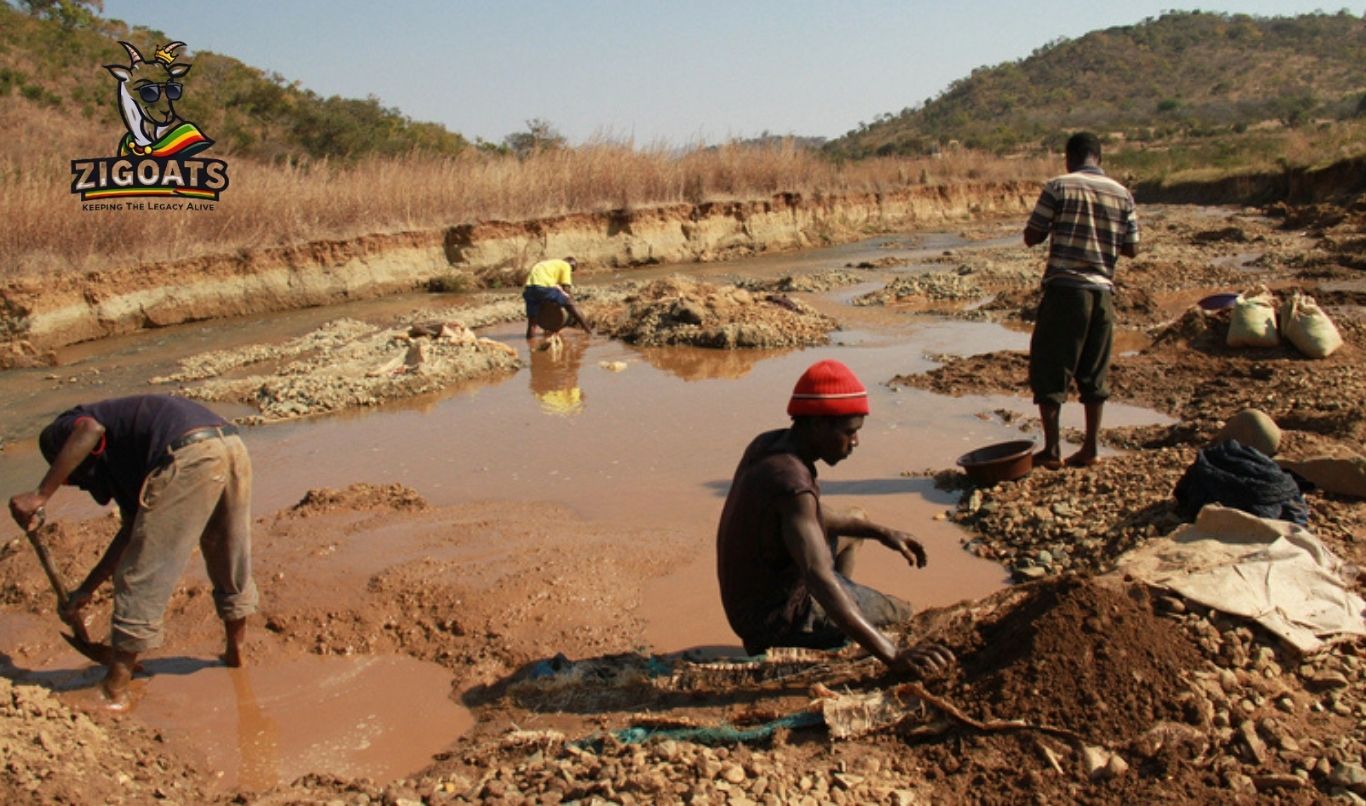
In practical terms, government is targeting Chikorokoza operations along rivers, where informal miners dig and dredge riverbeds for gold, often leaving behind severe environmental damage. Authorities say these activities have led to silted rivers, polluted water sources and reduced dam storage capacity, a growing concern even as Zimbabwe’s dams currently sit near record levels following heavy rains.
The directive orders Provincial Joint Operations Committees (JOCs) to immediately enforce the law. That includes removing people engaged in alluvial mining “under the pretext of river rehabilitation” and confiscating equipment used in such activities.
Private Contracts Now Under Scrutiny
Government is also investigating how provinces entered into agreements with private firms for river work, including sand mining, that allegedly masked or enabled continued mining.
Three provinces, Mashonaland Central, Mashonaland West and Manicaland, have been singled out and told to submit detailed reports directly to the President and the Chief Secretary explaining how contractors were appointed “in spite of the standing Statutory Instrument and Cabinet Directive.”
Deadlines for submissions run between 26 January and 23 February 2026.
The Bigger Chikorokoza Problem
Chikorokoza has long been a double-edged sword in Zimbabwe, a survival strategy for thousands amid unemployment, but also a major driver of riverbank collapse, water pollution and dam siltation. Rivers like Mazowe and Save have been repeatedly flagged by environmental experts as heavily degraded by illegal alluvial mining.
SI 188, first introduced in 2024, banned riverbed mining outright. But weak enforcement and blurred lines between “rehabilitation” and extraction allowed some operations to continue. This latest order signals an attempt to close those loopholes and reassert central government control.
Whether the crackdown will restore rivers or simply push Chikorokoza operations elsewhere now depends on enforcement consistency, and whether authorities balance environmental protection with realistic livelihood alternatives.
Leave a Reply