
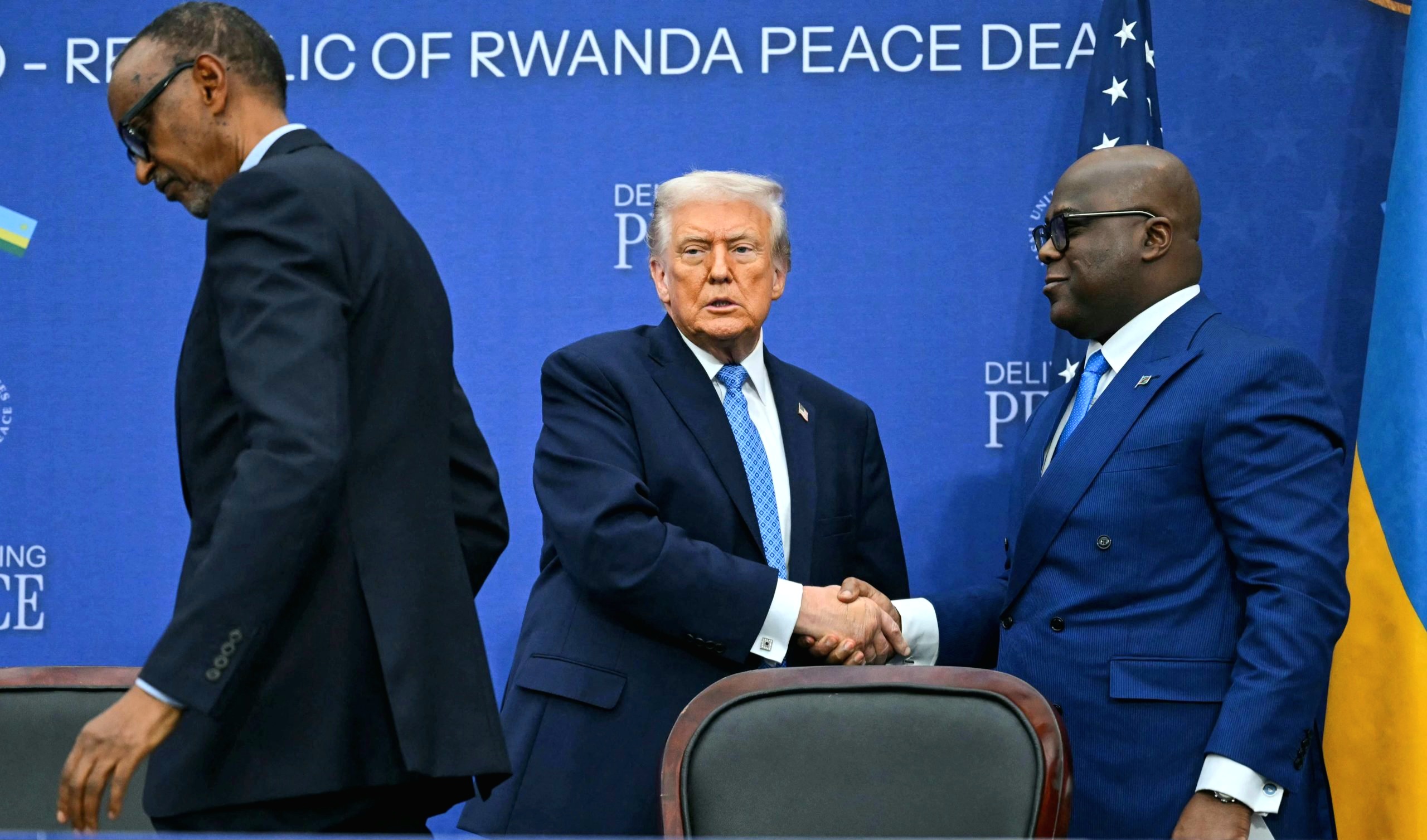
The United States (U.S.) Department of State announced today that it will impose visa restrictions on several senior Rwandan officials accused of fueling instability in eastern Democratic Republic of the Congo (DRC). The move targets individuals supporting the M23 armed group and violating the Washington Accords, actions that the U.S. says are driving violence and threatening regional stability.
Secretary of State Marco Rubio emphasised that the policy is part of broader efforts to uphold commitments under the Washington Accords, which aim to bring lasting peace to the Great Lakes region.
“The United States expects all parties to the Washington Accords to fully implement their commitments, including by the DRC immediately neutralizing the FDLR armed group and its associated groups and Rwanda withdrawing its troops and military equipment from the DRC. Only then will the immense economic potential of the Great Lakes region be realized,”
Rubio said, highlighting the economic stakes for the region.
Legal Basis for U.S. Visa Restrictions on Rwandan Officials
The visa restrictions fall under Section 212(a)(3)(C) of the Immigration and Nationality Act, which allows the Secretary of State to render inadmissible any foreign national whose entry into the U.S. “would have potentially serious adverse foreign policy consequences.” The policy may also extend to certain family members of targeted individuals.
Officials named are those believed to be responsible for, complicit in, or directly or indirectly engaged in actions undermining or impeding sustainable peace in the region.
Strategic and Regional Implications
The announcement signals a strong U.S. stance on enforcing accountability for actors destabilizing the eastern DRC, particularly given ongoing tensions between the M23 group, the DRC, and Rwanda. By leveraging visa restrictions, the U.S. aims to exert pressure on senior Rwandan officials to comply with regional peace agreements and withdraw support from armed groups.
Experts say that such sanctions and visa limitations, while targeted, carry significant diplomatic weight, affecting travel, international reputation, and access to global financial systems.
Rubio further noted:
“Individuals believed to be responsible for, complicit in, or directly or indirectly engaged in undermining or impeding a sustainable peace in the Great Lakes region will face consequences.”
Rubio did not name the Rwandan officials targeted by the new visa restrictions. However, separate U.S. Treasury sanctions have specifically identified Vincent Nyakarundi, the Rwandan Defence Force (RDF) army chief of staff; Ruki Karusisi, a major-general; Mubarakh Muganga, chief of defence staff; and Stanislas Gashugi, special operations force commander for supporting the M23 rebel group.
Next Steps for Regional Peace
The U.S. expects the DRC to neutralize armed groups such as the FDLR and for Rwanda to remove military personnel and equipment from Congolese territory. Full compliance is seen as essential not only for security but also for unlocking the economic potential of the Great Lakes region, which is rich in resources and trade opportunities.
This latest measure complements ongoing U.S. diplomatic engagement in Africa, which includes promoting dialogue, supporting regional peacekeeping initiatives, and reinforcing multilateral agreements designed to stabilize conflict zones.
Leave a Reply