
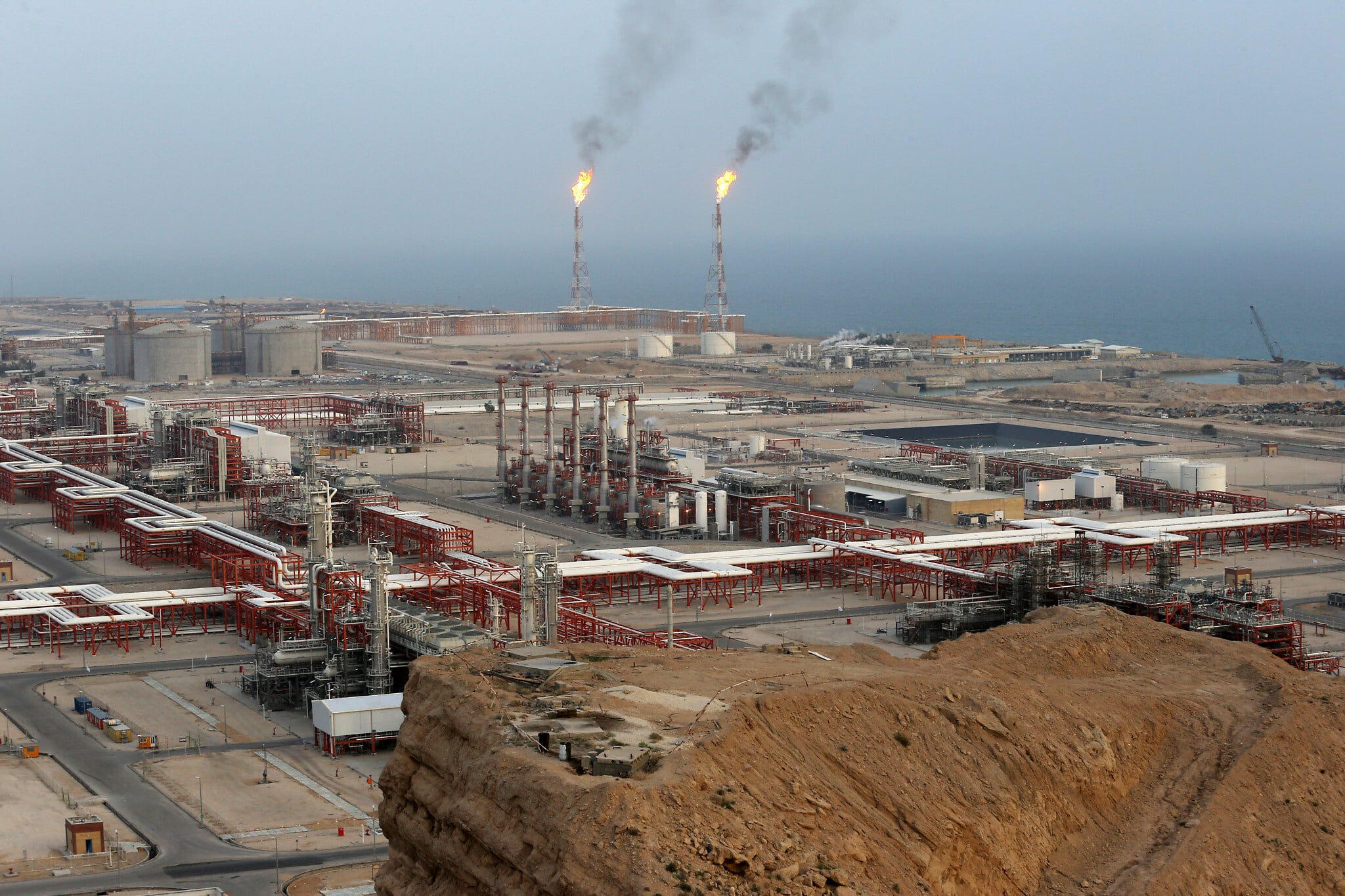
DOHA/RIYADH | March 19, 2026 – United States president Donald Trump has issued a stark warning over further escalation in the Middle East after Israel launched a major strike on Iran’s critical South Pars gas field, a move that has rattled global energy markets and triggered retaliatory attacks across the Gulf.
In a post that quickly sent shockwaves through diplomatic and economic circles, Trump said Israel had “violently lashed out” at the strategic facility but made it clear that no further strikes would follow, unless Iran retaliates again. Trump said:
“NO MORE ATTACKS WILL BE MADE BY ISRAEL… unless Iran unwisely decides to attack… Qatar.”
He warned that any such move would provoke overwhelming U.S. force.
Energy at the Heart of the Conflict
At the centre of this crisis is the South Pars Gas Field, the world’s largest natural gas reserve, jointly shared by Iran and Qatar. Any disruption here has immediate global consequences.
Following the strike, oil prices surged, reflecting fears of prolonged instability in a region responsible for a significant share of global energy supply. The attack marks a dangerous shift from conventional military targets to geoeconomic infrastructure, a red line in modern conflict.
Iran responded swiftly and aggressively.
Missiles struck Qatar’s Ras Laffan Industrial City, a key hub that processes roughly a fifth of the world’s liquefied natural gas. Fires and extensive damage were reported, raising alarms across global markets dependent on Gulf energy exports.
Missiles Over the Gulf
The conflict is no longer contained.
Iranian missiles also targeted Riyadh, with Saudi Arabia confirming it intercepted multiple ballistic threats and a drone aimed at its eastern gas infrastructure. Fresh attacks were reported again on Thursday, underlining the sustained nature of the escalation.
Meanwhile, the United Arab Emirates shut down its Habshan gas facility after intercepting missiles it described as part of a “terrorist attack.”
This widening theatre signals a shift from bilateral confrontation to a broader regional conflict, one that directly threatens civilian infrastructure, energy systems, and economic stability.
International Law Under Pressure
From an international law perspective, the targeting of energy facilities and civilian infrastructure raises serious legal concerns. Such actions risk violating core principles of distinction and proportionality under international humanitarian law.
Gulf states have been quick to frame Iran’s actions in these terms.
A bloc of foreign ministers from Muslim-majority countries, meeting in Riyadh, condemned the strikes, stressing that attacks on civilian and economic infrastructure “cannot be justified under any circumstances.”
Saudi Foreign Minister Prince Faisal bin Farhan was blunt:
“This pressure from Iran will backfire politically and morally… we reserve the right to take military actions, if deemed necessary.”
Global Trade and Strategic Chokepoints
Beyond the battlefield, the crisis is rapidly morphing into a geoeconomic shock.
Attention is now turning to the Strait of Hormuz, a narrow but vital corridor through which about a fifth of the world’s oil passes. Any disruption here could send energy prices soaring and destabilise global supply chains.
U.S. officials say Washington is considering deploying thousands more troops to the region, potentially to secure tanker routes and deter further escalation.
A War Without Clear Off-Ramps
The human cost is already mounting. Thousands have reportedly been killed in Iran since the conflict began in late February, with additional casualties across Lebanon, Iraq, and Gulf states, including U.S. military personnel.
Despite mounting pressure, there are no clear signs of de-escalation.
Iran has warned regional neighbours against hosting attacks, while the United States, now directly entangled alongside Israel, is signalling readiness for a broader confrontation.
For now, Trump’s message is both a warning and a line in the sand: escalation will be met with overwhelming force.
But in a conflict increasingly defined by retaliation, energy disruption, and legal ambiguity, that line may not hold for long.
Leave a Reply