
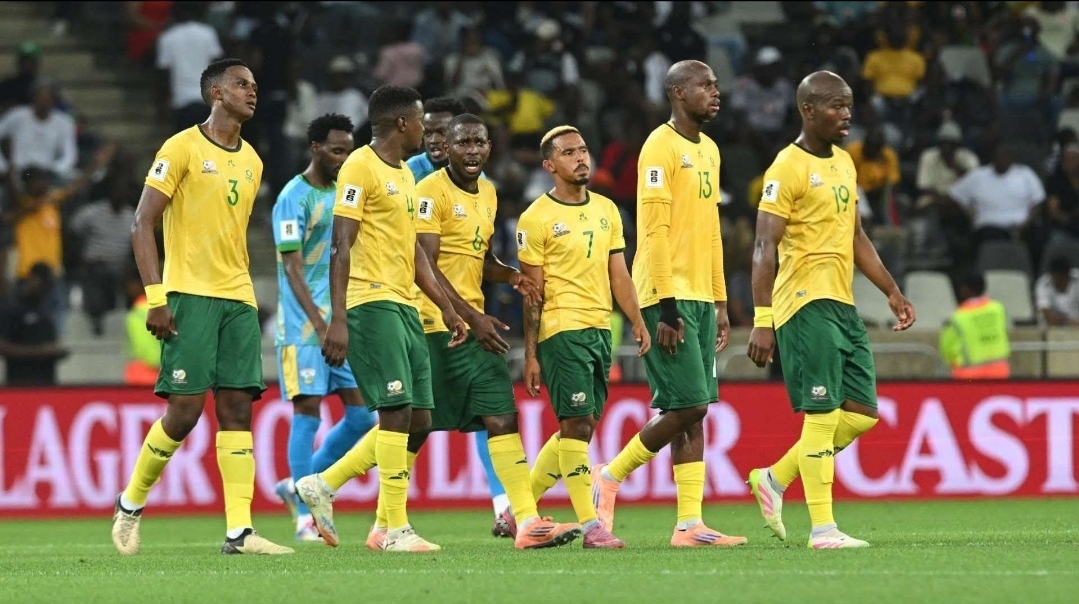
Hopes for a Southern Africa team to lift the Africa Cup of Nations (AFCON) at the 2025 edition in Morocco suffered a heavy blow as Mozambique were emphatically beaten 4–0 by Nigeria in the Round of 16. Once again, Southern Africa’s quest for continental glory ended early, leaving fans and pundits questioning whether progress in the region is keeping pace with the rest of the continent.

Despite having just two TotalEnergies CAF AFCON titles to their name, the Southern African region went into the tournament with unprecedented optimism. For the first time in AFCON history, seven (7) Southern African nations, Angola, Botswana, Comoros, Mozambique, South Africa, Zambia, and Zimbabwe, competed at the continent’s most prestigious tournament. This surge in representation was a milestone since CAF expanded the finals from 16 to 24 teams in Egypt 2019.

South Africa (1996) and Zambia (2012) remain the only Southern African nations to lift the coveted AFCON trophy, highlighting the gap between ambition and achievement. Angola, Botswana, Comoros, Zimbabwe, and Zambia bowing out in group stages underscores a familiar pattern: Southern African teams continue to struggle in AFCON’s knockout phases. Only South Africa and Mozambique advanced beyond the group stage this time, reaching the Round of 16 before Cameroon and Nigeria, respectively, halted their campaign.

History and experience have not always translated into success. Zambia, with 19 AFCON appearances, and South Africa, with 12, carry the experience, yet results rarely match expectations. Zimbabwe, making their sixth finals appearance since 2004, exited at the group stage once again, while Botswana and Comoros returned to the finals for only the second time, with Comoros having impressed in 2021 debut by reaching the Round of 16.

What does this recurring pattern tell us about Southern African football? While talent exists, players are competitive, technically skilled, and increasingly visible in Europe, the region faces challenges off the pitch. Governance issues, investment gaps, and inconsistent development pathways continue to hinder the ability of Southern African nations to convert representation into trophies. Mozambique’s AFCON 2025 exit, despite reaching the Round of 16 for the first time in recent history, is a reminder that progress on paper does not always match results on the field.
The 2025 AFCON has again exposed the delicate balance between promise and delivery for Southern Africa. With record representation, growing continental experience, and players making their mark internationally, the potential is there. Yet, the consistent absence from the latter stages of AFCON signals that Southern African teams must refine administration, player development, and strategic planning if they are to lift the Africa Cup of Nations in the future.

For now, the region reflects on lessons from Morocco 2025: seven teams in the finals, countless talented players, yet only two historic titles. The quest continues, and fans will hope that the next AFCON sees Southern African nations transform potential into continental triumph.
Leave a Reply