
South African airlines are raising ticket prices and introducing fuel surcharges as global oil prices spike amid escalating tensions in the Middle East.
The sudden surge follows Iran effectively blocking the Strait of Hormuz, a crucial shipping route handling about 20% of the world’s oil supply. Prices have jumped from roughly $70 per barrel before the conflict to nearly $120 in recent days, sending shockwaves through the aviation and energy sectors worldwide.
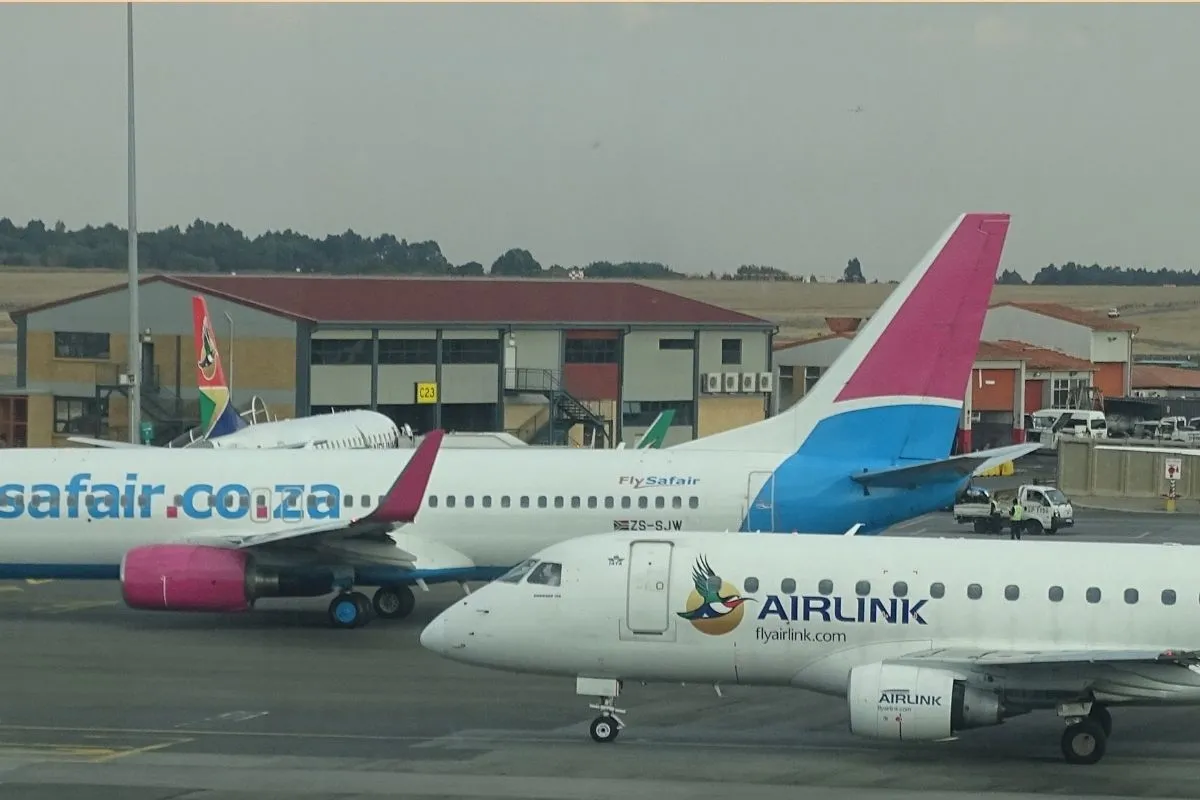
Low-cost carrier FlySafair confirmed it will introduce a temporary fuel surcharge on all new bookings from 12 March 2026. FlySafair spokesperson Kirby Gordon said:
“We will itemise this temporary dynamic fuel surcharge on all tickets to ensure fairness and transparency to our customers.”
The surcharge will apply to flights departing until 12 May 2026 and will vary by route depending on fuel consumption.
Airlink, meanwhile, has already adjusted ticket prices twice since the oil price shock began. CEO De Villiers Engelbrecht said the airline will not impose surcharges on existing bookings but will continue monitoring fuel costs closely and adjust fares where necessary. He added:
“Should it become necessary, Airlink could also consider rationalising capacity to manage costs in this unpredictable environment.”
Airlines emphasise that the issue is not fuel availability but cost. South African Airways (SAA) confirmed its supply remains secure, while Airlink has assurances from suppliers that fuel stocks are sufficient for March and April. However, uncertainty looms if the Middle East conflict persists beyond that period.
For now, airlines are balancing operational continuity with rising costs, aiming to shield passengers from the full impact of the oil price shock while navigating a volatile global energy market. The coming weeks will be critical in determining whether fuel surcharges become a permanent fixture or remain a temporary measure.
Leave a Reply