
It’s Choking Zimbabwe’s Prisons
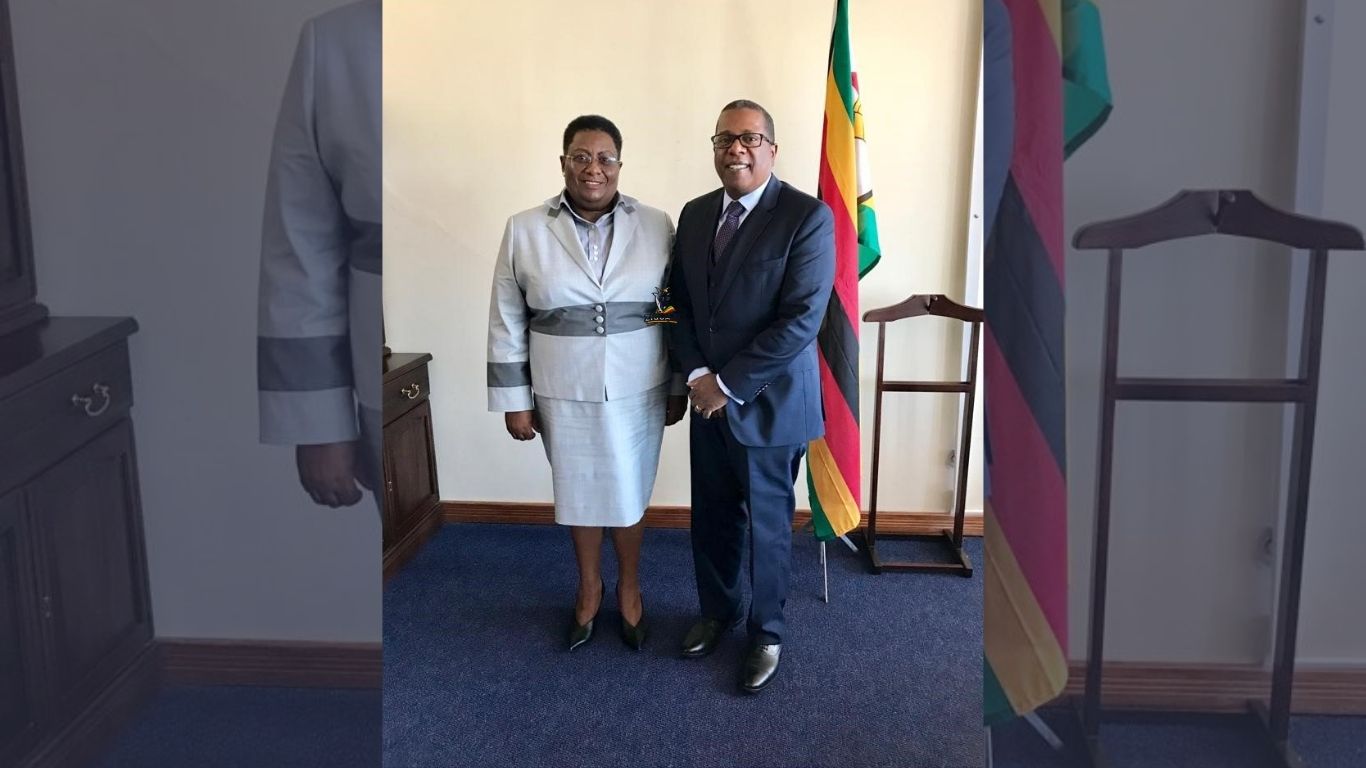
HARARE – Zimbabwe’s overcrowded prisons and rampant pre-trial detention have drawn a rare, forthright warning from Prosecutor General Loice Matanda-Moyo, who says locking up unconvicted accused persons flies in the face of the law, the Constitution and basic human rights.
In a January 7, 2026 internal directive seen by local media, Matanda-Moyo blasted a justice system that sees nearly 6,000 unconvicted inmates languishing behind bars, many far beyond what the courts can justify. Her message to public prosecutors was blunt: push for bail, fines, community service and alternatives to imprisonment, don’t lock up people just because they’re poor or the system is slow.
Prisons Bursting at the Seams
Zimbabwe’s prisons are groaning under the weight of nearly 27,700 inmates in facilities designed for about 17,800, an excess of nearly 10,000 prisoners. Matanda-Moyo said this is “undesirable” and directly connected to how accused persons are treated before trial.
Of grave concern, she noted, are the 5,970 detainees without convictions, people presumed innocent under the Constitution but who remain behind bars simply because they cannot meet bail conditions or because prosecutors routinely ask for custody without clear justification. Yet prisons are overcrowded. Matanda-Moyo said:
“Our law scoffs at pre-trial incarceration. An accused is presumed innocent until proven guilty. Generally, it is undesirable for an unconvicted person to be denied his or her liberty except in exceptional circumstances.”
The directive commands prosecutors to oppose bail only in exceptional circumstances and to propose reasonable non-custodial alternatives when appropriate.
Legal Realities and Rights at Stake
Matanda-Moyo’s position reflects not just legal theory but long-standing rights concerns. Zimbabwe’s Constitution guarantees the right to personal liberty and protection against unlawful detention. Yet, for years, human rights groups have highlighted pre-trial detention abuse as one of the justice system’s worst failings.
In a 2023 report, Zimbabwe lawyers, human rights activists, and civil society flagged cases where accused persons waited years for trial, with conditions amounting to de facto punishment. UN agencies and rights watchdogs have repeatedly urged reforms to reduce reliance on remand detention and increase use of bail, recognisance and community-based sanctions.
High-Profile Cases Offer Context
Matanda-Moyo’s memo arrives against the backdrop of several high-profile arrests and extended remands that sparked public debate:
The prolonged detention of opposition politician Job Sikhala remains a stark example of pre-trial injustice in Zimbabwe. Arrested in June 2022, Sikhala spent 595 days in custody after repeated bail denials, only to receive a wholly suspended sentence. His case exposed the abuse of pre-trial detention, erosion of due process, and the political use of criminal law to punish dissent.
A similar pattern emerged in 2024 with Transform Zimbabwe leader Jacob Ngarivhume, who was jailed for 82 days before being granted bail. Arrested ahead of a SADC summit amid fears of protests, Ngarivhume was accused of disorderly conduct and illegal gathering. His prolonged incarceration, restrictive bail conditions, and timing of arrest reinforced concerns that pre-trial detention is routinely weaponised against opposition voices in Zimbabwe.
These cases underscored the costs of judicial delay, both to individuals’ freedom and to public faith in the rule of law.
Bail Without Money, Fast-Track Justice
Matanda-Moyo’s directive goes further, insisting that monetary bail should not be a barrier to liberty:
“If it is clear and apparent that accused do not afford such sums, there must be alternative conditions to bail in lieu of monetary payments,” she said.
The memo also urges:
- Fast-track courts for simple cases likely to attract non-custodial sentences;
- Strict limits on remand lengths, no accused should be detained more than six months without trial, except in serious or exceptional cases;
- Immediate bail for petty offences.
Justice Reform: Big Talk or Real Change?
Matanda-Moyo’s warning pulls back the curtain on a justice system under strain, one where old practices continue despite legal safeguards. Zimbabwe has often pledged reform, but critics say rhetoric has lagged reality.
By telling prosecutors to rethink bail and pre-trial detention, the Prosecutor General is pushing an agenda that could:
- Reduce prison congestion
- Uphold constitutional rights
- Improve public confidence in the justice system
Pre-trial detention should be an exception, not the norm. In a constitutional democracy, the presumption of innocence is foundational. If Zimbabwe’s justice system is to be credible, it must ensure that people accused of crime are treated fairly, humanely and in accordance with the law, not warehoused because of backlog or money. However, success in reforming the justice system will depend on judicial buy-in, administrative capacity and political will.
Leave a Reply