
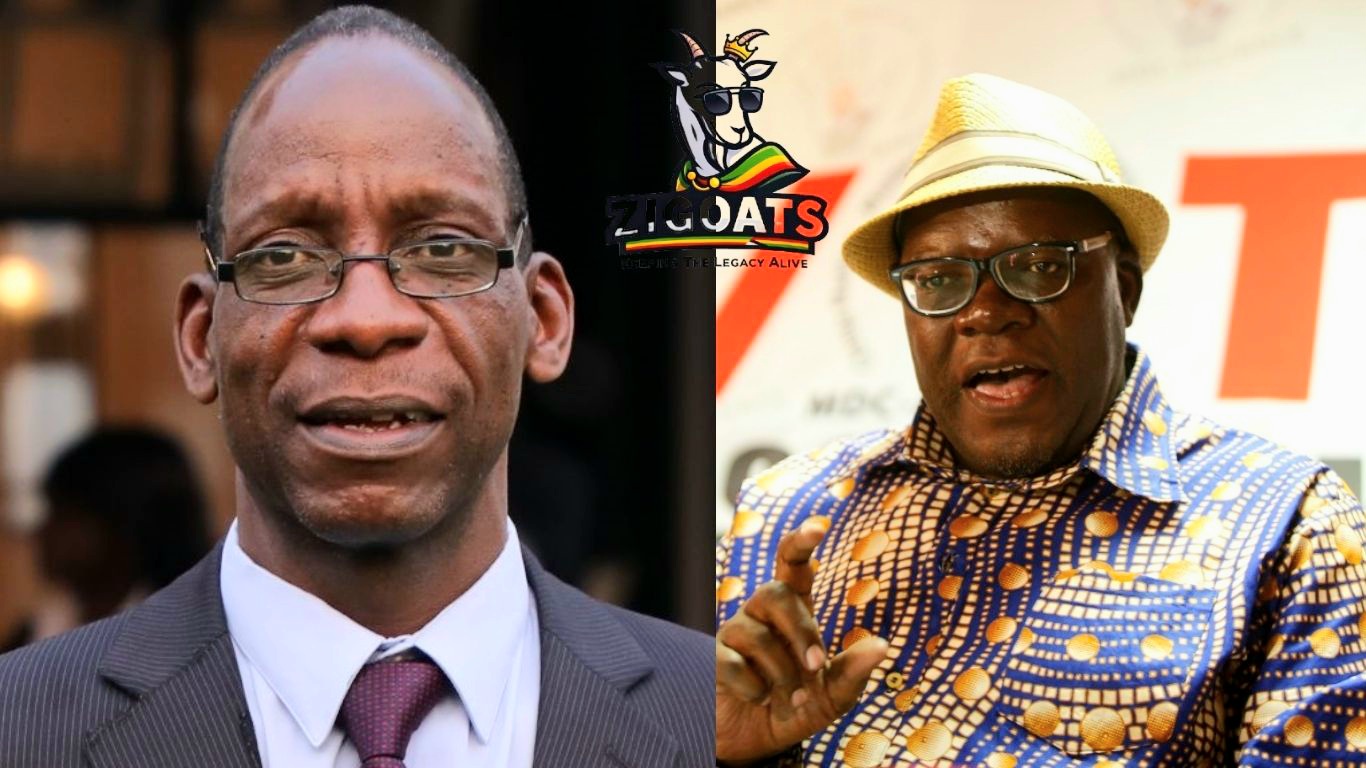
HARARE – Constitutional lawyer Lovemore Madhuku and former finance minister Tendai Biti have filed an urgent High Court application accusing police of failing to protect them following alleged attacks and threats linked to their opposition to the proposed Constitution of Zimbabwe (Amendment) Bill No. 3 of 2026.
The legal action was brought by the National Constitutional Assembly (NCA), led by Madhuku, as tensions continue to rise around the controversial bill which critics say could reshape Zimbabwe’s constitutional and electoral landscape.
Court Challenge Over Public Meetings
In papers filed before the High Court, Madhuku argues that the applicants want to hold meetings to discuss the proposed constitutional changes during the ongoing public consultation period announced by Parliament.
Parliament has invited citizens to make submissions on the bill within a 90-day consultation window starting February 16, allowing Zimbabweans to comment on the proposed amendments before lawmakers debate the changes.
According to Madhuku, the NCA and other civic groups intend to hold meetings to examine the implications of the bill and formulate a collective position. Madhuku states in his founding affidavit:
“Applicants intend to meet and discuss the Constitution of Zimbabwe (Amendment) No. 3 Bill of 2026.”
He argues that such gatherings form part of the democratic consultation process and should be protected by law.
Bill Could Extend Elections to 2030
At the centre of the dispute is the proposed amendment that could extend the current term of President Emmerson Mnangagwa and Parliament by two years.
If passed, the amendment would shift the end of the current electoral cycle from 2028 to 2030, effectively postponing the next general elections.
The bill also proposes a major structural change to Zimbabwe’s presidential election system. Instead of citizens directly electing the president in a national vote, the proposal would introduce an electoral college system where Members of Parliament and local authority councillors would elect the head of state.
Supporters say the move could reduce election costs and streamline governance, while critics argue it would fundamentally alter Zimbabwe’s constitutional order and potentially consolidate power around the incumbent leadership.
Alleged Disruption and Threats
Madhuku claims that efforts to hold meetings on the proposed amendments have already been disrupted.
According to court papers, a meeting held on March 1 at Madhuku’s offices on Herbert Chitepo Street in Harare was allegedly interrupted by individuals described as “goons claiming to be members of ZANU PF.”
He alleges that participants were assaulted and threatened because of their opposition to the constitutional changes. Madhuku said:
“After the disruption of 1 March 2026… certain goons claiming to be members of Zanu PF continued to threaten applicants and others who oppose the proposed amendment. They have even threatened us with death.”
Police Accused of Inaction
The applicants cite the Minister of Home Affairs and the Commissioner-General of Police as respondents in the urgent application.
They argue that law enforcement authorities have failed to fulfil their constitutional duty to protect citizens exercising their rights to assemble and debate national issues. Madhuku states in the court filing:
“There are ongoing threats against us. The interference of the police are ongoing. Thus the acts and omissions of the police need to be arrested as a matter of urgency.”
What the Court Is Being Asked to Do
Through the urgent application, the applicants are seeking a court order compelling police to ensure that they are able to hold meetings and consultations on the proposed constitutional amendments without interference or intimidation.
The legal challenge adds another layer to the growing national debate over Constitutional Amendment Bill No. 3, a proposal that has already triggered strong reactions from civic groups, political actors and sections of the legal community.
As Zimbabwe’s consultation period unfolds, the courts may now play a crucial role in determining whether citizens can freely debate one of the most consequential constitutional proposals in recent years.
Leave a Reply