
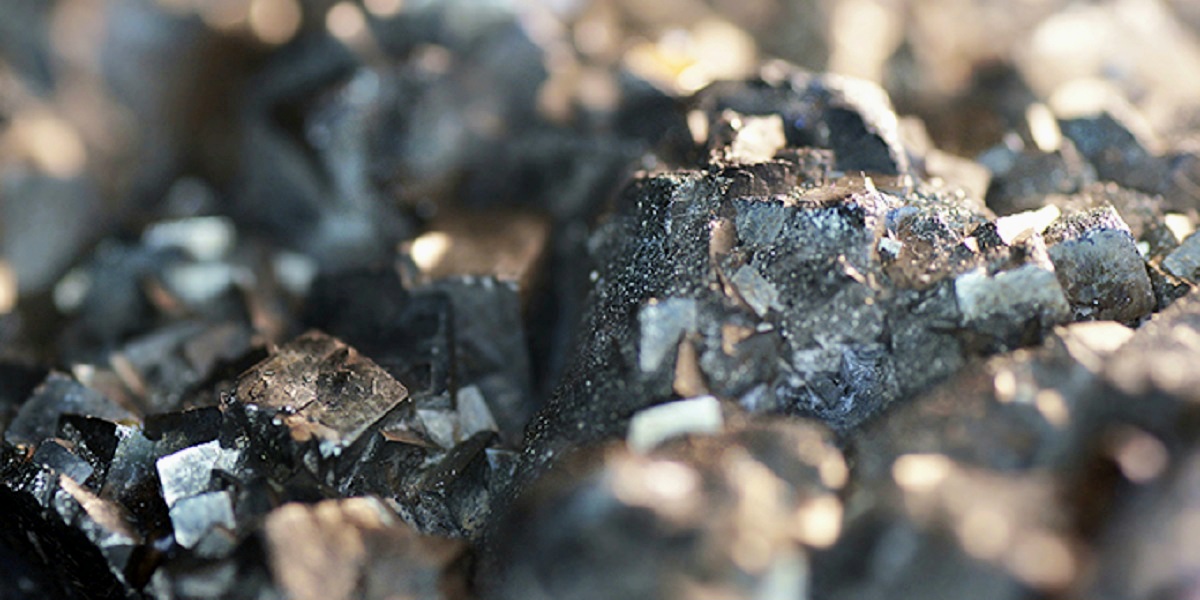
World lithium prices jumped sharply after Zimbabwe announced an immediate suspension on the export of raw minerals and lithium concentrates, a move that has already started pushing battery material prices higher on international markets.
Lithium carbonate on the Guangzhou Futures Exchange rallied 5.4% to 177,000 yuan (about US$25,856) per tonne shortly after the announcement. Shares of lithium producers in China, Australia and the Americas also rose as traders reacted to fears of tighter global supply.
You May Like This
- Zimbabwe Launches Africa’s First Lithium Sulfate Plant As $1 Billion Huayou Project Nears Production
Prices Up, Supply Concerns Grow
Zimbabwe is one of the world’s top lithium producers, supplying key concentrate feedstock used in electric vehicle batteries and energy storage systems. When a major supplier suddenly restricts exports, markets respond quickly, and this time was no different.
Analysts say the export ban has injected fresh uncertainty into supply chains that were already sensitive to production shifts in Africa and Australia. The immediate price jump reflects fears that refiners, particularly in Asia, could face reduced short-term feedstock availability.
Higher lithium prices often ripple through the battery manufacturing sector. That can potentially increase costs for electric vehicles, solar storage systems and consumer electronics if sustained over time.
What Triggered The Ban?
Mines and Mining Development Minister Dr. Polite Kambamura announced the immediate suspension of the export of all raw minerals and lithium concentrates, including consignments already in transit.
Government directed ZIMRA and the Minerals Marketing Corporation of Zimbabwe (MMCZ) to enforce the ban without exception.
The minister said the measures are designed to:
- Promote in-country beneficiation
- Eliminate middlemen and third-party traders
- Tighten export documentation requirements
- Ensure greater mineral accountability
- Maximise value retention within Zimbabwe
Under the new rules, only mining companies with valid mining titles and approved beneficiation plants will be authorised to export processed minerals.
Why Markets Care About Zimbabwe Ban on Raw Exports
The lithium market is highly sensitive to policy shifts in major producing nations. Zimbabwe’s move signals a stronger push toward local processing instead of exporting raw concentrates, a strategy aimed at capturing more value domestically.
While the long-term goal is industrial development and job creation inside Zimbabwe, the short-term effect has been global price volatility.
If the suspension remains in place for an extended period, analysts expect continued upward pressure on lithium prices, particularly if alternative suppliers fail to immediately fill the gap.
Leave a Reply