
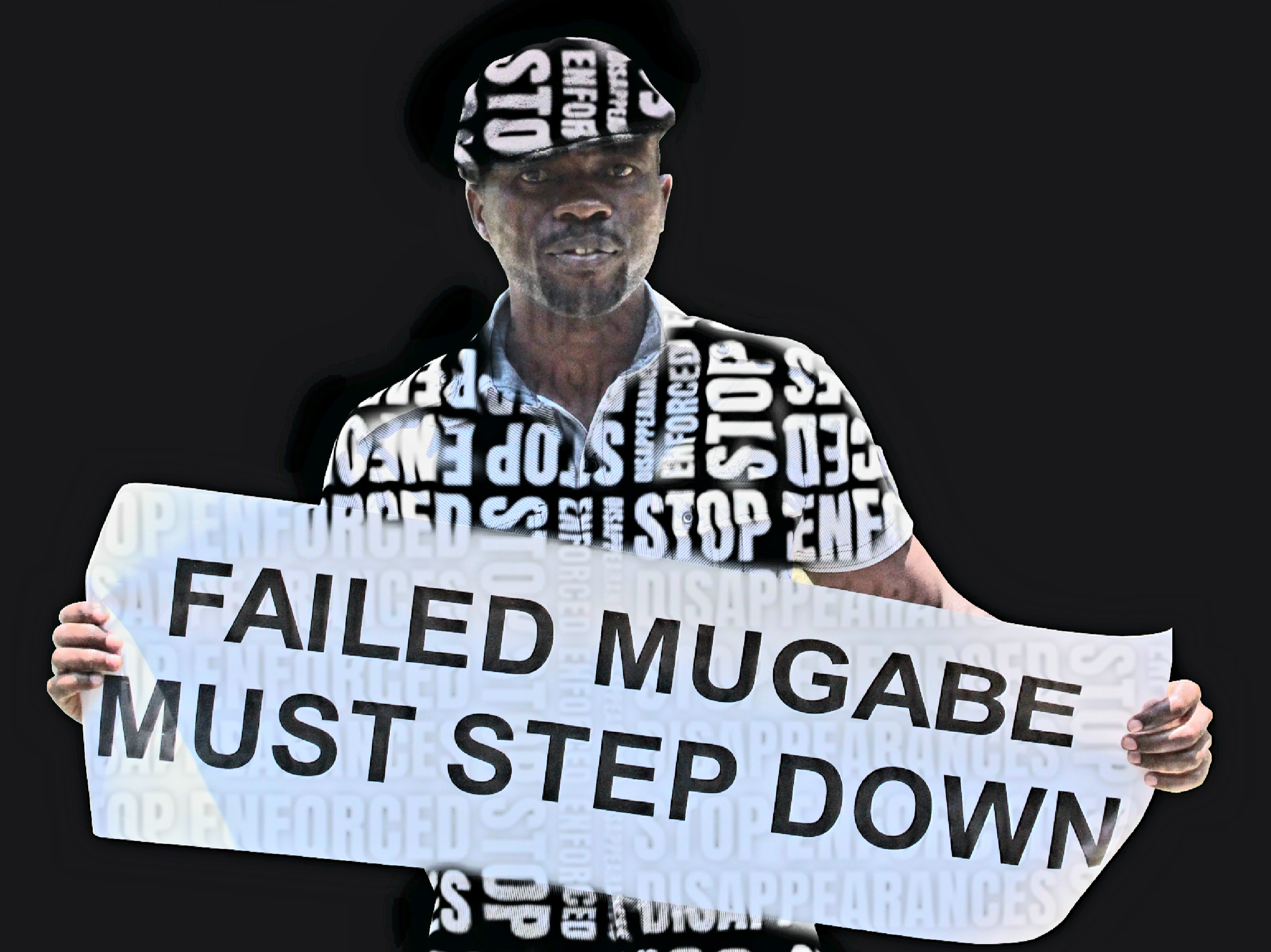
Zimbabwe Lawyers for Human Rights (ZLHR) have renewed calls on the government to intensify efforts to establish the fate of missing journalist and pro-democracy activist Itai Dzamara, who disappeared under mysterious circumstances in 2015.
The call comes as Zimbabwe marks 11 years since Dzamara’s enforced disappearance, a case that remains one of the country’s most troubling unresolved human rights issues.
In a statement commemorating the anniversary, ZLHR said authorities still owe the Dzamara family and the nation clear answers about what happened to the activist.
“Today marks 11 years since the enforced disappearance of freelance journalist and activist, Itai Dzamara. Dzamara was abducted and disappeared on 9 March 2015 and has not been heard from since.
Zimbabwean authorities must make more efforts to establish what happened to Dzamara and offer some answers to his family, which continues with the relentless quest for the truth.”
The legal watchdog said the family has spent more than a decade living with uncertainty and anguish as they continue searching for answers about his whereabouts.
The Day Dzamara Disappeared
Dzamara vanished on 9 March 2015 after being abducted by five unidentified men while at a barbershop in Glen View, Harare. Witnesses said the men accused him of stealing cattle before handcuffing him and forcing him into a white truck with concealed number plates. He has not been seen since.
At the time of his disappearance, Dzamara was a prominent activist who led the Occupy Africa Unity Square protest movement, which staged peaceful demonstrations demanding political reforms and accountability in Zimbabwe.
Just days before he vanished, Dzamara had addressed supporters calling for protests against worsening economic conditions and urging then President Robert Mugabe to step down.
His activism had previously made him a target. In several incidents before 2015, Dzamara reported being assaulted, abducted and harassed by suspected security agents and ruling party supporters during protests.
Court Orders and Unanswered Questions
Following the enforced disappearance of Itai Dzamara in 2015, the ZLHR approached the High Court seeking an order compelling state authorities to locate the activist and journalist. The court directed police and intelligence services to take all necessary steps to investigate the case, advertise his disappearance publicly, and report regularly on their progress.
In the immediate aftermath, authorities offered a $10,000 reward for credible information leading to Dzamara’s whereabouts, and taskforces were established to search for him. Despite these measures, over 11 years later, Dzamara has not been found, and no official explanation has been provided regarding his fate.
The saga has been further complicated by controversial statements from political figures. At various points, unverified claims surfaced suggesting Dzamara might be hiding abroad, including speculation about Botswana. Former Information Minister Professor Jonathan Moyo later acknowledged that some of his early remarks on Dzamara’s disappearance were misguided and expressed regret, noting that he did not have verified information on the activist’s location.
Human rights organisations, including ZLHR, say the lack of progress under court orders has deepened concerns about accountability, the protection of activists, and the apparent impunity surrounding enforced disappearances in Zimbabwe. The unresolved case continues to leave Dzamara’s family and the wider civil society community searching for answers, highlighting enduring gaps in the state’s commitment to human rights and transparency.
Pattern of Abductions and Human Rights Concerns
Dzamara’s case is frequently cited in discussions about alleged abductions and human rights violations in Zimbabwe.
Over the years, opposition activists, journalists and civil society members have reported cases of abduction, intimidation and torture by unidentified men believed by critics to be linked to state security structures.
Zimbabwean authorities have consistently denied involvement in such incidents, sometimes suggesting that alleged victims stage abductions to tarnish the image of the ruling ZANU PF government.
The issue has periodically strained Zimbabwe’s relations with Western governments and international human rights organisations, with some countries imposing sanctions citing concerns over governance, democratic freedoms and human rights.
Harare, however, maintains that the sanctions are politically motivated and part of broader geopolitical disputes rather than purely human rights concerns.
Family Still Waiting for Closure
For Dzamara’s family, the passing of time has not eased the pain.
His wife and relatives have spent years demanding answers from authorities while holding onto hope that the truth about his fate will eventually emerge.
Human rights groups say resolving the case would not only bring closure to the family but also demonstrate a stronger commitment by the state to uphold freedom of expression, activism and the rule of law.
More than 11 years later, one question continues to echo across Zimbabwe’s civil society and political landscape:
Where is Itai Dzamara?
Leave a Reply