
By Advent Shoko
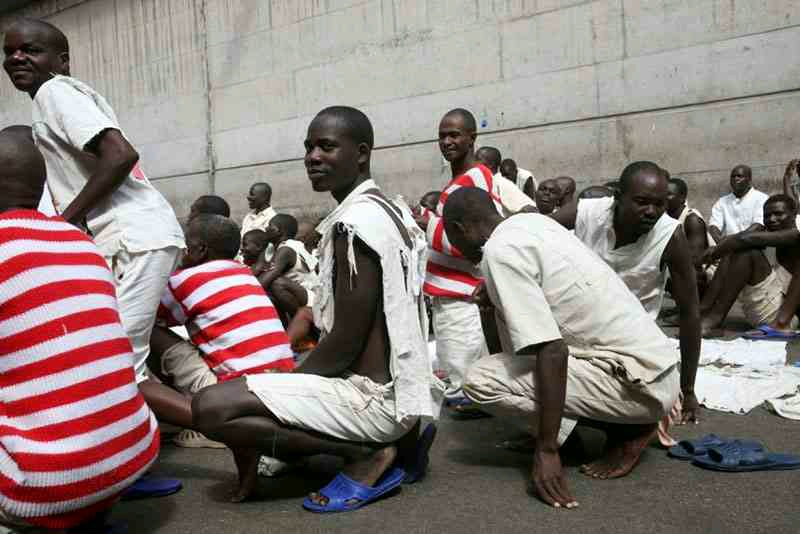
HARARE – Justice, Legal and Parliamentary Affairs Minister Ziyambi Ziyambi has announced the categories of inmates who will benefit from the 2026 Presidential Amnesty, a move expected to see thousands of prisoners released or have their sentences reduced.
Speaking during a Post-Cabinet media briefing, Ziyambi said President Emmerson Mnangagwa will exercise his constitutional power of mercy to grant pardon to selected inmates.
Under Section 112 of the Constitution of Zimbabwe, the President has authority to grant amnesty, pardon or commute sentences to individuals convicted of offences. This power, often referred to as the “prerogative of mercy,” is typically used to decongest prisons and extend compassion to vulnerable inmates.
Who Qualifies For The 2026 Presidential Amnesty in Zimbabwe
According to the Minister, the following categories will benefit under the 2026 General Amnesty:
- All convicted female prisoners
- Juveniles
- Prisoners serving an effective sentence of 48 months and below
- Inmates certified as terminally ill
- Prisoners housed in Open Prisons
- All prisoners aged 60 years and above
- Prisoners sentenced to life imprisonment who have served at least 20 years
- Prisoners living with disabilities
- Prisoners serving more than 48 months, who will receive an additional one-quarter remission of their effective sentence
The inclusion of all convicted female prisoners is significant. In previous amnesties, women have often been prioritised because of their caregiving roles and the wider social impact their incarceration has on families, especially children who may be left without primary support.
However, the decision has also sparked debate. Some argue that granting amnesty to all female prisoners purely on the basis of gender undermines the justice system. They believe the nature and seriousness of the crime should remain the primary consideration. In their view, accountability should not be softened simply because the offender is a woman, and justice must apply equally to everyone.
Juveniles and elderly inmates are also viewed as vulnerable groups within the correctional system. For inmates aged 60 and above, health complications and reduced risk of reoffending are usually considered in such decisions.
Terminally ill prisoners and those with disabilities have also been included on humanitarian grounds.
What the 2026 Presidential Amnesty in Zimbabwe Means on the Ground
Zimbabwe’s prisons have long struggled with overcrowding and limited resources. Legal experts say presidential amnesties help ease pressure on correctional facilities while offering deserving inmates a second chance.
For prisoners serving life sentences, the requirement that they must have completed at least 20 years ensures that only long-serving inmates benefit.
Meanwhile, those serving more than 48 months will not be automatically released but will receive a one-quarter reduction of their remaining sentence, potentially accelerating their release dates.
A Balancing Act
Presidential amnesties often spark debate. Some citizens welcome them as acts of compassion and rehabilitation, while others question whether justice is fully served.
However, government officials maintain that such decisions are guided by law and careful assessment. The amnesty does not automatically apply to all prisoners, and certain serious offences are usually excluded, although specific exclusions were not detailed during the briefing.
For families of inmates, the announcement brings hope. For others, it raises questions about rehabilitation, accountability and public safety.
Leave a Reply