
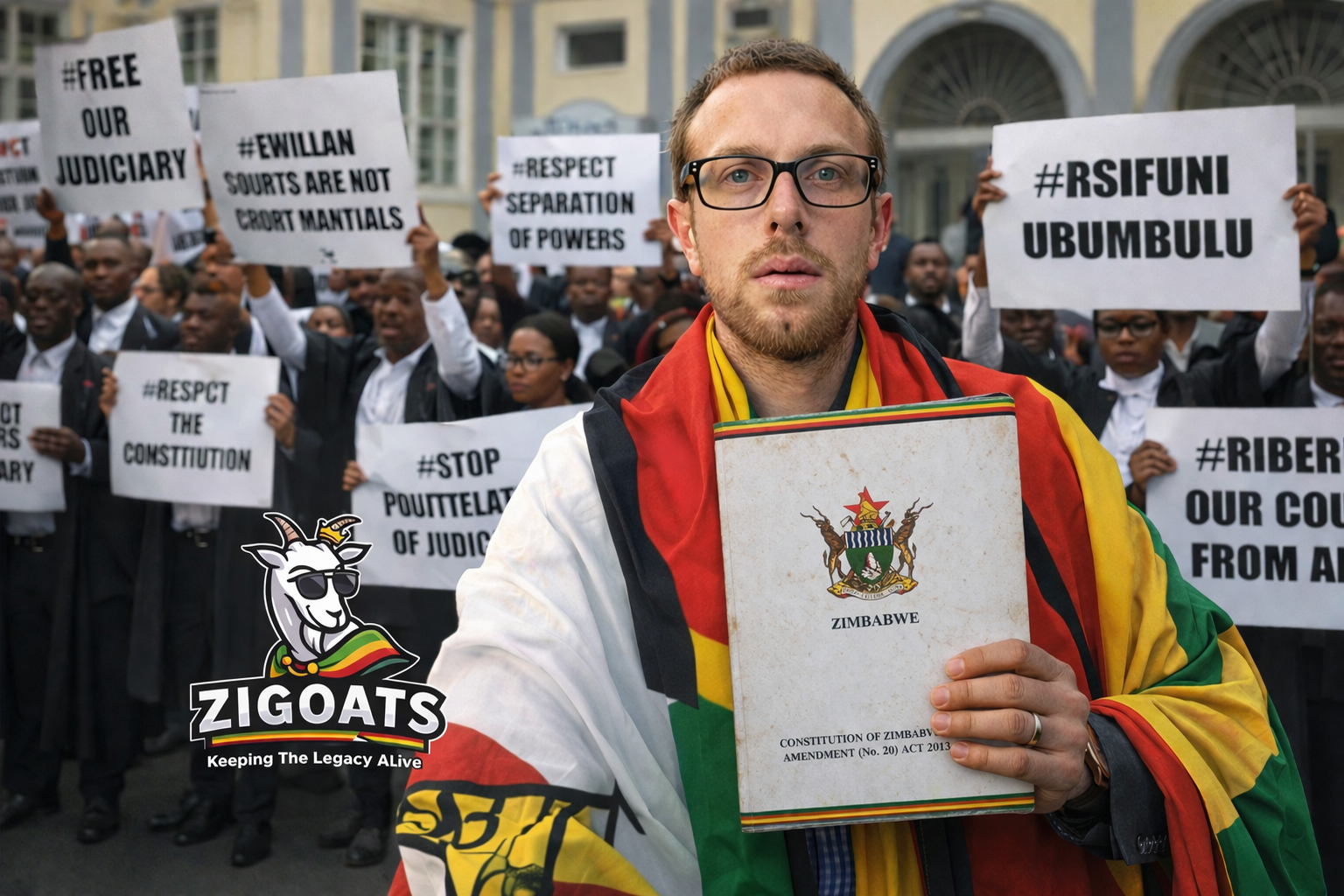
HARARE – Amnesty International has issued a strong call to Zimbabwean authorities to guarantee freedom of expression, peaceful assembly, and the safety of citizens participating in the ongoing public hearings on the Constitution of Zimbabwe Amendment (No. 3) Bill, as concerns mount over violence, intimidation, and the credibility of the consultative process.
By Advent Shoko
The rights watchdog’s intervention comes at a critical moment, with public hearings that began on March 30 already being overshadowed by scenes of disorder and allegations of assault against critics and legal observers.
According to Amnesty International’s Deputy Regional Director for East and Southern Africa, Vongai Chikwanda, authorities must ensure that every Zimbabwean is able to speak freely and participate without fear. Chikwanda said:
“Restriction of public debate before, during, or after public hearings shuts down genuine participation, accountability, and the rule of law.”
Her remarks strike at the heart of what has quickly become one of the most politically charged legal processes in recent years.
At the centre of the storm is the Constitution Amendment Bill No. 3, gazetted on February 16, 2026, which proposes sweeping changes to Zimbabwe’s governance framework.
Among its most contentious provisions are clauses seeking to extend presidential and parliamentary terms from five to seven years, a move critics say could effectively keep President Emmerson Mnangagwa in office until 2030. The bill also seeks to replace direct presidential elections with parliamentary selection of the Head of State, while further consolidating executive influence over key institutions.
For governance experts and constitutional lawyers, these proposals represent far more than technical legal amendments.
They go to the core of democratic legitimacy, electoral accountability, and the separation of powers.
That is why the public hearings were expected to provide a crucial national platform for citizens to voice their views.
Instead, the process has been marred by reports of violence.
On March 31, rights lawyer Douglas Coltart was reportedly assaulted during hearings at Harare’s City Sports Centre in an incident that has sparked outrage across political and legal circles.
Critics, including opposition figures and civic actors, described the hearings as chaotic, with allegations that dissenting voices were drowned out while organised supporters dominated proceedings.
The violence has only deepened concerns raised earlier by Amnesty International, which warned that overly restrictive or intimidatory measures could create a climate of fear.
The organisation specifically pointed to Section 61 of Zimbabwe’s Constitution, which guarantees freedom of expression, peaceful assembly, and association as fundamental pillars of democratic participation.
In legal terms, any restrictions imposed during such hearings must meet strict constitutional tests, they must be lawful, pursue a legitimate aim, and remain necessary and proportionate.
Anything short of that risks undermining both the legality and public legitimacy of the process.
This is where the issue moves beyond politics and into constitutional law.
If citizens cannot freely contribute during public consultations, questions inevitably arise over whether Parliament can genuinely claim to be legislating in the public interest.
For many observers, this is the central governance issue now confronting the state.
The optics are equally significant. Public hearings are meant to demonstrate openness, transparency, and responsiveness.
Instead, scenes of disruption and alleged assaults are fuelling a perception that the consultation process is being stage-managed. That perception could have lasting consequences for public trust in institutions.
The hearings are scheduled to continue until April 2, with all eyes now on Parliament, law enforcement agencies, and the executive to ensure the remaining sessions proceed peacefully and lawfully.
For Zimbabwe, this is no longer just a debate over constitutional clauses. It is a test of whether democratic processes can function freely under pressure.
Leave a Reply