
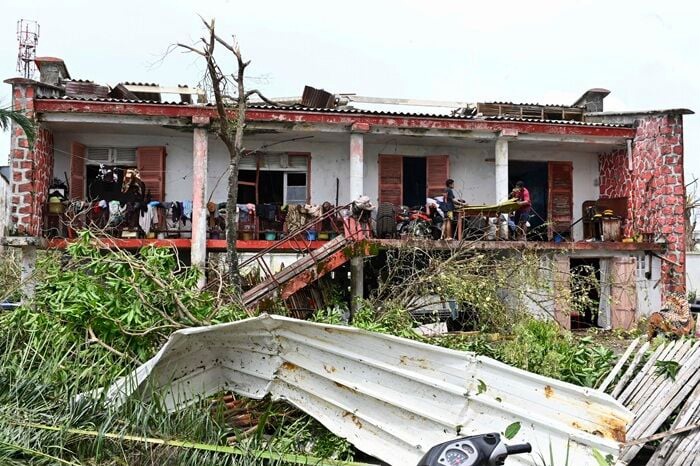
ADDIS ABABA – The African Union Commission has pledged strong support for Madagascar after Cyclone Gezani killed dozens and left more than 420,000 people affected. The powerful storm, declared a national disaster, caused widespread destruction across the Indian Ocean island nation.
Gezani made landfall on 10 February 2026 near the port city of Toamasina, packing winds above 180 km/h and unleashing torrential rains that flattened homes, uprooted trees and crippled electricity and water supplies. At least 59 people have died, more than 800 were injured and 15 remain missing, according to official disaster authorities. Thousands of families have been displaced after homes were destroyed or submerged. In a statement seen by ZiGoats.com, H.E. Mahmoud Ali Youssouf, Chairperson of the African Union Commission, said:
“On behalf of the African Union, I extend heartfelt condolences to the families who have lost loved ones and convey solidarity to all those injured, displaced, or otherwise affected by this tragic event.”
The cyclone struck just weeks after Cyclone Fytia, compounding humanitarian pressure and stretching Madagascar’s emergency response systems. Aid agencies warn that repeated climate shocks are worsening food insecurity, damaging health infrastructure and increasing the risk of disease outbreaks in vulnerable communities.
Chairperson Youssouf urged AU Member States, humanitarian agencies and private partners to “urgently mobilize financial, material and technical resources to support immediate relief efforts and long-term reconstruction.” The statement dated 27 February 2026 statement stressed that coordinated continental action is critical to provide emergency shelter, food assistance, healthcare, clean water and sanitation, while rebuilding damaged infrastructure.
Madagascar remains highly vulnerable to tropical cyclones due to its geographic location in the southwest Indian Ocean. The African Union Commission reaffirmed its readiness to work closely with Madagascar’s government and partners to support recovery, strengthen resilience and promote sustainable rebuilding efforts.
Leave a Reply