
HARARE / WASHINGTON – The human cost of the 2026 United Ststes-Iran conflict is becoming increasingly visible as Pentagon officials confirmed that about 140 American soldiers have been wounded, eight of them severely, in the first ten days of the escalating military operations. The majority of injured troops have already returned to duty, but the severity of the eight critically wounded highlights the high-stakes nature of the current strikes.
According to Pentagon spokesman Sean Parnell, most injuries are minor, with service members recovering quickly. Parnell said:
“The vast majority of these injuries have been minor, and 108 service members have already returned to duty. Eight remain severely injured and are receiving intensive care.”
The wounded reflect the wider escalation in the Persian Gulf and across the Middle East, where Iranian missile and drone attacks have targeted U.S. assets and allied nations, including Saudi Arabia, Kuwait, Bahrain, and the United Arab Emirates. The attacks coincide with Tehran’s assertion of control over the Strait of Hormuz, a crucial passage for roughly 20% of the world’s traded oil.
You May Like This
The conflict has already caused casualties beyond the U.S. military. Iran’s strikes have reportedly killed at least seven U.S.-allied personnel in Kuwait and Saudi Arabia, while Israel and Lebanon report hundreds of civilian casualties. In Lebanon alone, Israeli airstrikes and Hezbollah retaliations have left 486 dead and over 1,300 wounded.
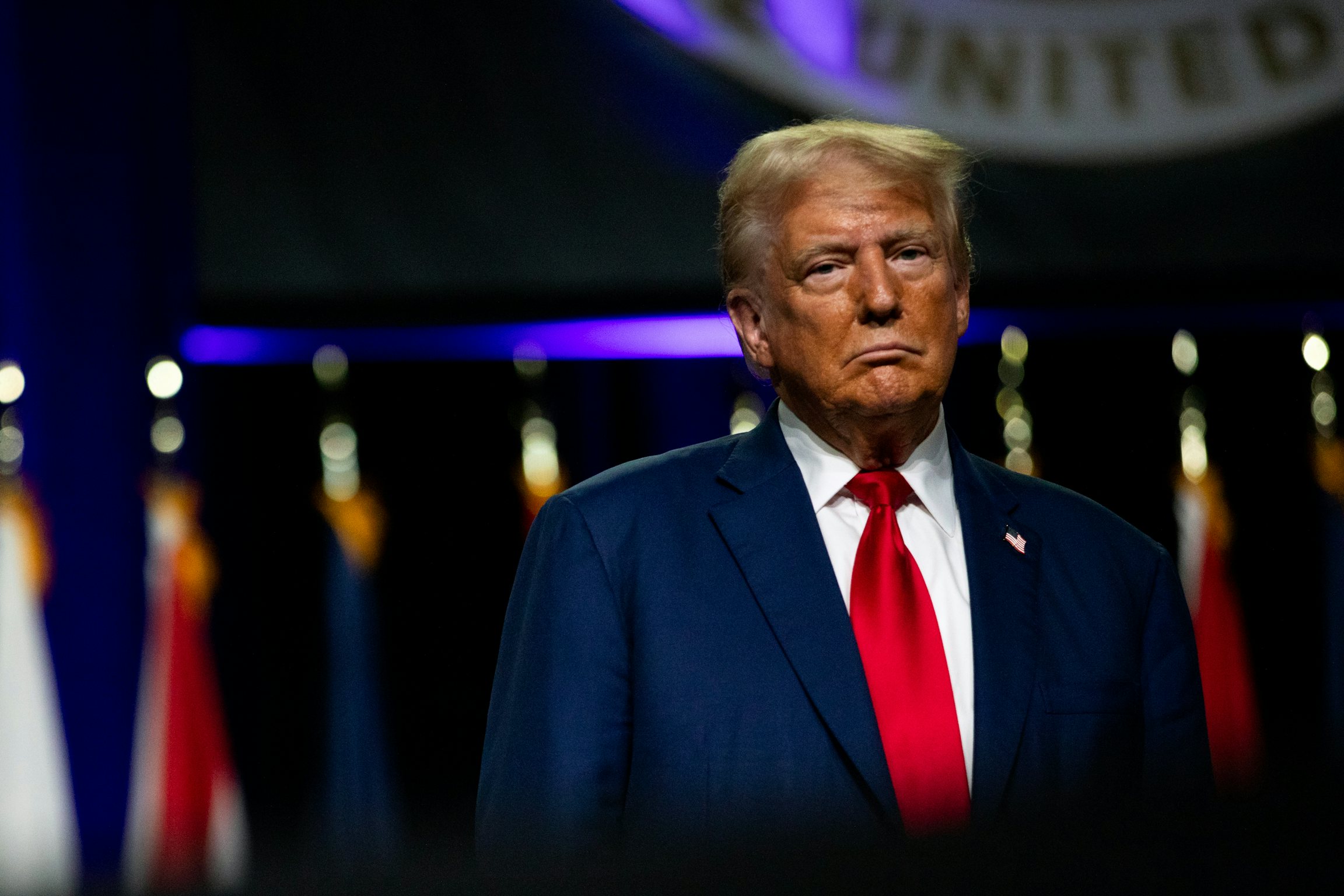
President Donald Trump has issued a mix of warnings and reassurances, emphasising that the U.S. military is prepared to expand attacks if Iran attempts to disrupt tanker traffic through the Strait of Hormuz. Military analysts note that the injured troops reflect the risks of operating in contested airspace and defending strategic assets under missile and drone fire.
Meanwhile, global markets have reacted sharply to the ongoing escalation. Oil prices briefly surged to their highest levels since 2022 as the Gulf’s key shipping lanes remain under threat. The U.S. government has offered $20 billion in ship reinsurance to protect commercial tankers against losses caused by the instability, and naval escorts remain a possible measure to reopen critical shipping lanes.
Diplomatically, the U.N. Security Council and G7 leaders are under pressure to respond to the growing humanitarian crisis, while Russia has proposed a draft resolution urging all parties to halt military operations immediately. The draft resolution emphasises the protection of civilians, recalling the U.N. Charter’s prohibition on the use of force against territorial integrity or political independence of sovereign nations.
As the conflict continues, the injured U.S. troops remain a stark reminder of the human cost of this war, even as political leaders and military strategists debate the next steps. Observers warn that the situation is volatile, and further escalation could lead to a wider regional war affecting global energy markets, civilian safety, and international security.
Leave a Reply