
By Advent Shoko
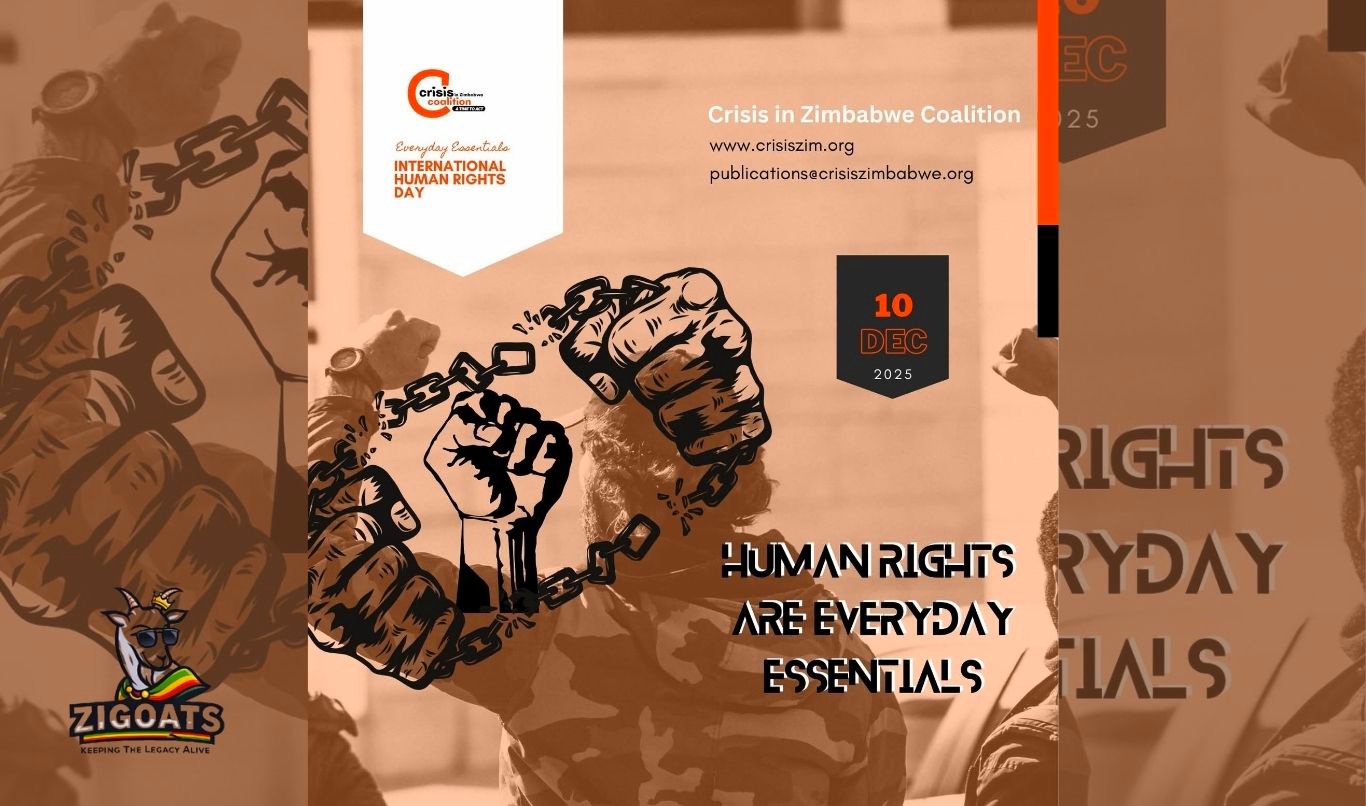
After 25 years as one of Zimbabwe’s most visible civil society networks, the Crisis in Zimbabwe Coalition (CiZC) has announced its dissolution, citing intensifying repression, shrinking civic space, and the systematic use of laws to crush pro-democracy forces. The decision, revealed during its 16th Annual General Meeting on 21 January 2026, comes at a critical moment, as Zimbabwe faces deepening economic decline, political capture, and social crises that disproportionately affect women, youth, and vulnerable communities.
The Coalition, historically a watchdog on governance and human rights, highlighted the erosion of constitutional freedoms through the Private Voluntary Organisations (PVO) Act and other restrictive legislation. These laws have criminalised legitimate civil society work, restricted funding flows, and made it nearly impossible for independent advocacy groups to operate safely. At the same time, foreign donor support, long the backbone of CiZC’s operations, has dwindled, with USAID scaling back programs and the repeal of the Zimbabwe Democracy and Economic Recovery Act (ZDERA) in the US threatening to undercut financial lifelines.
- Zimbabwe JSC Confirms Chief Justice Malaba’s Retirement – Why It Matters
- Madzibaba Veshanduko Sends Regards From Prison
Critics and former officials note the irony of dissolving an organisation created to confront repression. Former Information Minister Jonathan Moyo said,
“Dissolving itself because the crisis it was built to tackle is allegedly worsening is peak irony… the 25-year-old crisis fiction no longer has takers among fatigued donors.”
Indeed, geopolitical shifts, including changes under the Trump-era “Donroe Doctrine,” have reprioritised US foreign policy away from democracy promotion in Zimbabwe, leaving civil society exposed.
The CiZC statement frames the dissolution as a strategic repositioning rather than defeat, aimed at safeguarding relevance and continuity in a hostile environment. Members argue that the traditional donor-funded umbrella model is no longer sustainable amid heightened state surveillance, arbitrary arrests, and bureaucratic obstruction. Yet the move underscores a hard truth: Zimbabwe’s civic space is rapidly shrinking, with independent organisations struggling to maintain operations, protect activists, and hold the government accountable.
Observers warn that as formal civil society channels narrow, the capacity for advocacy, citizen mobilisation, and human rights monitoring will be severely limited. Meanwhile, socio-economic crises, including failing public services, unaffordable education, and deteriorating healthcare, continue unabated, with citizens bearing the brunt of elite looting and policy failures.
The dissolution of CiZC is therefore both a cautionary tale and a pivotal moment. It reflects the lethal combination of state repression and donor withdrawal in undermining civil society, while also signalling the urgent need for new forms of resilient, grassroots civic engagement that can survive in Zimbabwe’s increasingly authoritarian landscape. The struggle for democracy, justice, and constitutional supremacy continues, but the arena has changed, and the rules of survival for civil society have become far more complex.
Leave a Reply