
By Advent Shoko
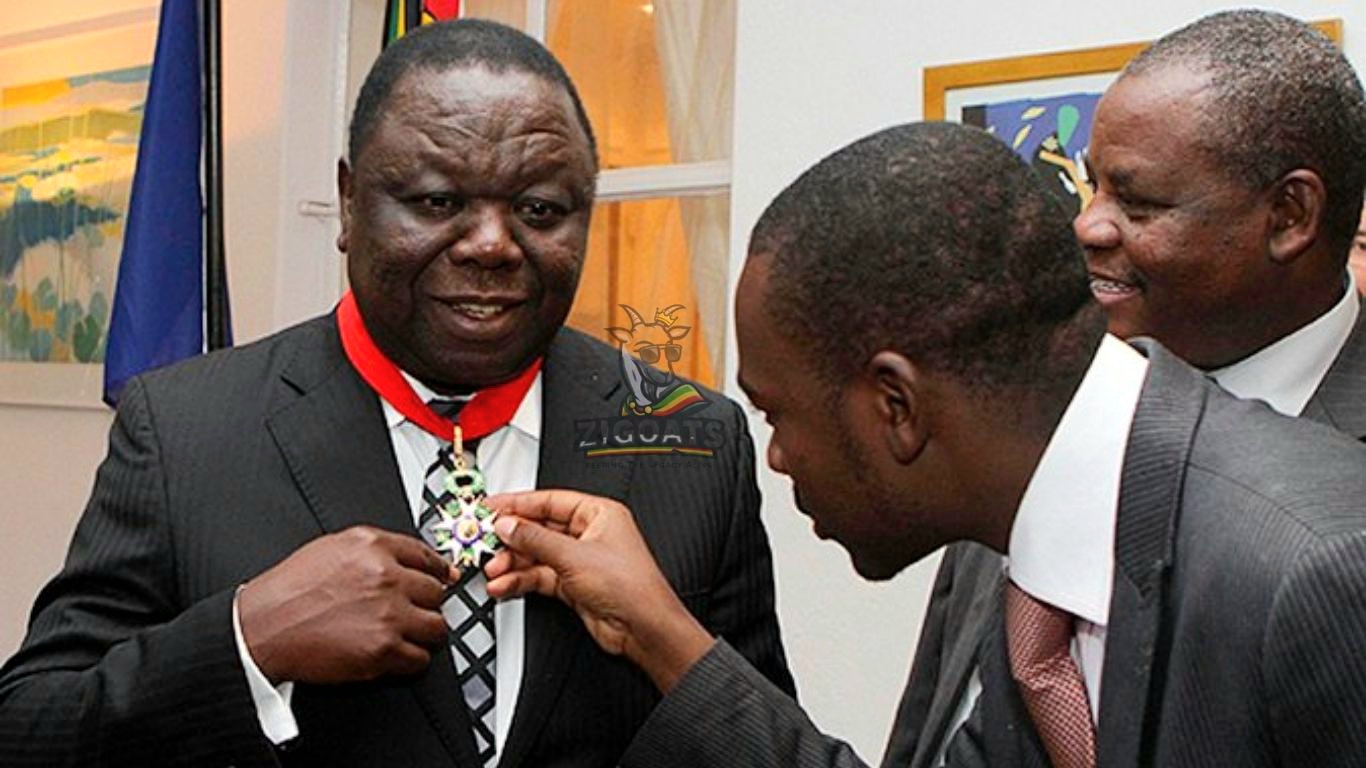
The release of Morgan Tsvangirai: Service and Sacrifice, authored by longtime aide and journalist Luke Tamborinyoka, has reignited national debate around one of Zimbabwe’s most influential and polarising political figures.
Morgan Richard Tsvangirai rose from humble beginnings as a mineworker and trade unionist to become the face of modern opposition politics in Zimbabwe. As founding leader of the Movement for Democratic Change (MDC), he challenged entrenched power structures and mobilised urban workers, civil society and young voters at a time when political space was shrinking fast.
Tsvangirai’s biggest political breakthrough came in 2008, when the MDC outperformed the ruling party in parliamentary elections, forcing the formation of the Inclusive Government. As Prime Minister from 2009 to 2013, he helped stabilise the economy, restore basic services, re-engage the international community and introduce relative political calm after years of crisis.

However, his legacy is not without flaws. Critics argue that Tsvangirai struggled with party discipline, succession planning and internal cohesion. The MDC suffered repeated splits, weakening its electoral machinery. His personal life also drew controversy, at times distracting from the broader democratic cause he championed.
Despite these shortcomings, even detractors concede that Tsvangirai paid a heavy personal price for confronting state power. He endured arrests, violence, court battles and sustained political pressure, yet remained committed to non-violent democratic change.
While Tamborinyoka’s book offers an insider’s perspective, Tsvangirai’s story goes beyond any single publication. It is the story of a man who reshaped opposition politics, expanded democratic discourse and left an indelible mark on Zimbabwe’s post-independence history.
The book’s release invites Zimbabweans to reassess Tsvangirai not as a saint or a failure, but as a complex leader defined by courage, compromise, resilience and human imperfection.
Leave a Reply