
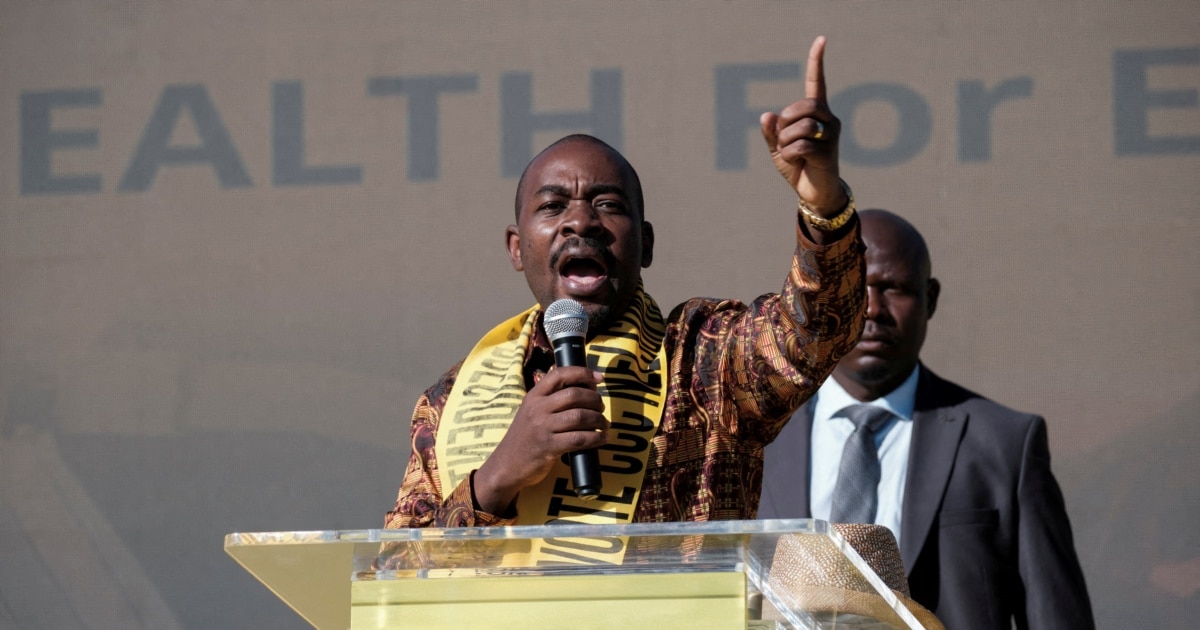
Zimbabwe’s battle over Constitutional Amendment Bill No. 3 is far from over, former Citizens Coalition for Change leader Nelson Chamisa has said, pushing back against a growing narrative that the controversial proposal is now unstoppable after clearing the National Assembly.
By Advent Shoko
The House of Assembly last week passed the Constitution of Zimbabwe Amendment (No. 3) Bill, 2026, commonly known as CAB3, with 216 votes in favour and 42 against, comfortably crossing the two-thirds threshold required for constitutional changes. That result triggered a wave of commentary suggesting the Bill was now effectively sealed. But Chamisa says that reading is both premature and politically dangerous.
“CAB3: NOT A DONE DEAL,” the former opposition leader declared in a strongly worded statement, arguing that no constitutional arrangement can claim legitimacy without the full consent of citizens.
“Those claiming that CAB3 is a ‘done deal’ are either deluding themselves or deliberately attempting to mislead,” Chamisa said. “The citizens are the ultimate decision-makers; they alone have the authority to endorse, reject, or seal any deal.”
His intervention comes at a critical moment in Zimbabwe’s constitutional politics. CAB3 proposes some of the most far-reaching changes to the 2013 Constitution since it was adopted, including extending the terms of office for the President, Members of Parliament and councillors from five years to seven, effectively shifting the current electoral cycle from 2028 to 2030. The Bill also seeks to replace direct presidential elections with a system in which the President would be chosen by a joint sitting of Parliament rather than by popular vote.
For critics, those provisions strike at the heart of democratic accountability. They argue that elected leaders cannot simply extend their stay in office without returning to the electorate that gave them a mandate in 2023. The proposal to move presidential selection from the ballot box to Parliament has drawn even sharper criticism, with opponents saying it would dilute citizens’ direct power to choose the country’s leader and deepen executive control over the political system.
Chamisa is not the only high-profile figure resisting the Bill. Veteran constitutional lawyer Professor Lovemore Madhuku and former Finance Minister Tendai Biti are among the prominent voices warning that CAB3 could fundamentally alter Zimbabwe’s governance architecture in favour of the political elite. Critics have described the Bill as regressive, arguing that it weakens public participation, centralises power and risks hollowing out key democratic safeguards.
Supporters of the Bill, however, insist the measure is being unfairly caricatured. Government and ruling party figures say CAB3 is meant to reduce perpetual electioneering, guarantee policy continuity and create a more stable environment for long-term development planning. They also point to the public consultation process held before the Bill was brought to Parliament, arguing that citizens were given a chance to air their views.
That claim remains fiercely contested. Some opposition figures and lawyers, including Fadzayi Mahere, have argued that the hearings were marred by intimidation, violence and procedural irregularities. Reports from the consultation period alleged assaults, arrests and disruptions targeting those opposed to the Bill, deepening concerns over whether the process genuinely reflected free citizen participation.
What happens next now matters enormously. CAB3 still has to navigate the Senate and, depending on the legal interpretation of the provisions being amended, could yet face constitutional challenges over whether some changes require a referendum. That is why Chamisa’s message is less about one parliamentary vote and more about the longer political war over legitimacy, consent and who ultimately owns Zimbabwe’s Constitution.
For now, CAB3 has cleared a major hurdle. But if Chamisa and other opponents are right, the fiercest battle may only just be beginning.
Leave a Reply