
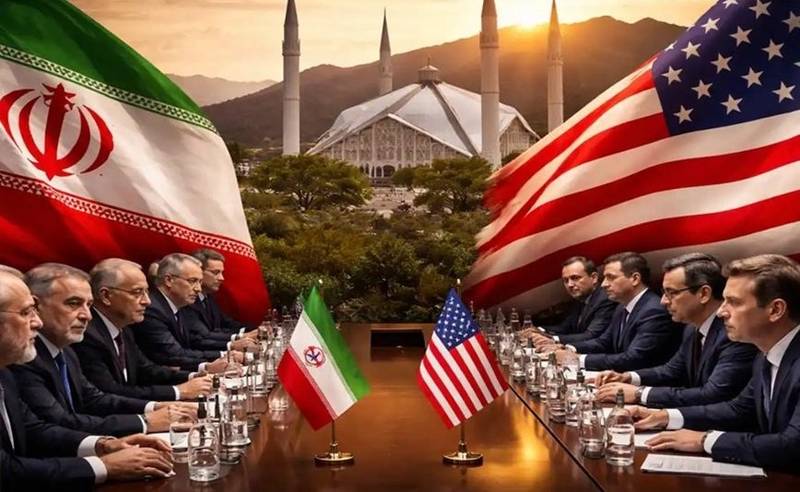
The United States of America (USA) and Iran have announced a breakthrough agreement aimed at ending a conflict that rattled the Middle East, disrupted global markets and sent oil prices soaring.
By Advent Shoko
US President Donald Trump confirmed the deal, saying it paves the way for the reopening of the strategically important Strait of Hormuz, one of the world’s busiest oil shipping routes. The waterway is a critical artery for global energy supplies, with a significant portion of the world’s crude oil passing through it every day.
The agreement is expected to ease tensions that have dominated headlines in recent weeks and raised fears of a wider regional war involving multiple countries.
As part of the deal, Israel is expected to halt military strikes against Iran and Lebanon. However, questions remain over the durability of the deal after recent Israeli attacks on Lebanon drew criticism from Trump, who described the actions as a “lack of judgement.” Israel defended the strikes, saying they were carried out in response to rocket attacks allegedly launched by Hezbollah.
Negotiators are also working to resolve one of the most sensitive issues at the centre of the conflict, the future of Iran’s uranium stockpile. Earlier, the United States had indicated that Iran’s enriched uranium could be transferred to US custody as part of a broader security arrangement. Discussions on the matter are ongoing.
Another key component of the agreement is the release of approximately $12 billion in Iranian funds that had been frozen under sanctions, a move expected to provide much-needed relief to Iran’s struggling economy.
Global markets reacted swiftly to the announcement. Oil prices fell by about 4% as investors welcomed signs of stability in a region that plays a central role in global energy production. Despite the decline, energy analysts caution that prices are unlikely to return to pre-conflict levels immediately, warning that the market could take several weeks to fully stabilise.
When the conflict began, many observers predicted a short confrontation, particularly after Trump vowed to crush Iran’s military capabilities within days. However, Iran proved more resilient than many expected, prolonging the standoff and forcing both sides back to the negotiating table.
With the guns falling silent and diplomacy taking centre stage, attention now turns to whether the agreement can deliver lasting peace in a region that has experienced decades of instability.
Leave a Reply