
By Advent Shoko
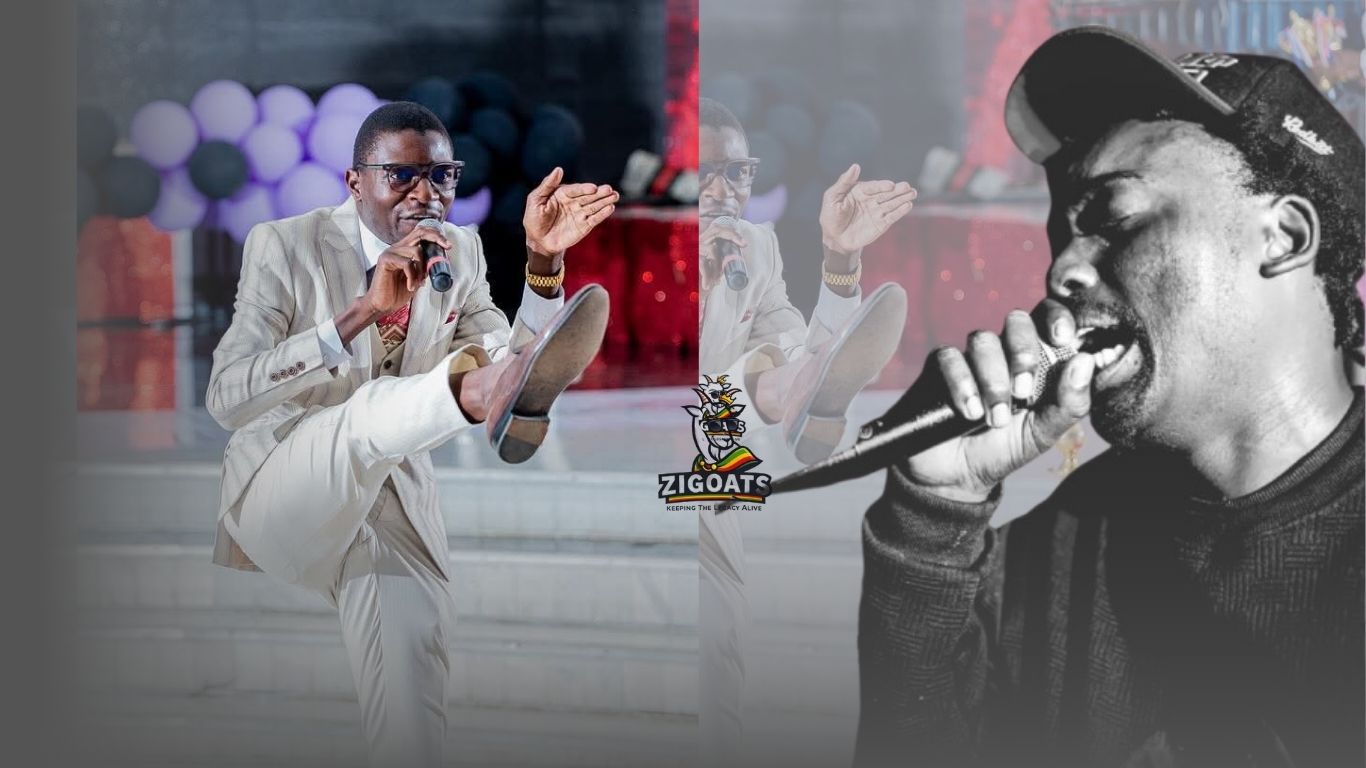
HARARE – What began as a social media storm has now crossed into the criminal justice arena after journalist and DJ Ollah 7 formally reported Zimdancehall artist Silent Killer to the Zimbabwe Republic Police (ZRP) for alleged breach of contract.
The case centres on a failed December 2025 show, where Silent Killer allegedly received payment but did not turn up to perform, sparking accusations, counter-accusations and a heated public debate online.
HOW THE DISPUTE STARTED
According to DJ Ollah 7, Silent Killer was not originally booked for the show. The artist allegedly approached him just a day before the event, requesting to be added to the line-up at the last minute.
With budgets already stretched, Ollah 7 says he initially declined. However, Silent Killer allegedly insisted, saying he was desperate to perform and was willing to accept whatever was available.
Ollah 7 claims he eventually handed over US$500 in cash on December 23, two days before the show scheduled for December 25, after Silent Killer personally came to collect the money in Mbare.
“He promised to come and perform. I asked him several times and he assured me,” said Ollah 7.
FUEL MONEY, SWITCHED-OFF PHONES
On the day of the show, Silent Killer allegedly requested fuel money. Ollah 7 says the funds were sent via EcoCash by Silent Killer’s former manager, General Ovi.
That, however, was the last meaningful contact.
According to Ollah 7, once the fuel money was received, Silent Killer and his team allegedly switched off their phones and never showed up for the performance. Communication only resumed days later, with no clear explanation.
When Ollah 7 demanded a refund, claiming he could have used the money to pay another performer, Silent Killer allegedly became unreachable.
That, Ollah 7 says, forced his hand.
“I then filed a report through the ZRP,” he confirmed.
RECORDED CONVERSATIONS AND EVIDENCE
In a significant twist, Ollah 7 says he recorded all conversations related to the transaction, including phone calls and in-person discussions.
“I have everything that he said over the phone and in person on record,” he said, adding that he did so knowing Silent Killer’s history of contractual disputes.
From a legal standpoint, this could prove crucial. Recorded agreements, payment proof and witness testimony can be used to establish intent, agreement and non-performance, key elements in breach-of-contract and fraud-related cases.
SOCIAL MEDIA TRIAL VS LEGAL PROCESS
While the matter was unfolding quietly, Silent Killer allegedly took the dispute to social media, insinuating that the payment was insufficient and positioning himself as a victim.
This triggered public sympathy in his favour, a pattern Ollah 7 strongly disputes.
“Every sane person should be able to see who is wrong,” he said, questioning why blame shifted to him despite payment being made and services not rendered.
PATTERN OF BEHAVIOUR?
Ollah 7 further alleges this is not an isolated incident.
He claims that on December 27, Silent Killer was paid US$1,500 in advance for a Bulawayo show organised by Chipaz, later requested fuel money, received an additional US$100, and still did not perform.
According to Ollah 7, the Bulawayo promoter later contacted him in distress, also searching for Silent Killer.
If substantiated, these claims could raise serious questions about professionalism, accountability and trust within the entertainment industry.
ARTISTS, PROMOTERS AND THE LAW
Silent Killer has previously argued that promoters often fail to pay artists, prompting him to demand full payment upfront. While this concern is common in the industry, legal experts stress that receiving money creates binding obligations.
Once payment is accepted, failure to perform without refunding the money may move the issue from a civil dispute into criminal territory, depending on intent and evidence.
THE BIG QUESTION
Ollah 7 leaves the public with a blunt question:
“If you give someone money they asked for, someone you didn’t even book, and they don’t show up or refund you, what would you do? Isn’t that fraud?”
As police investigations continue, the case highlights a growing problem in Zimbabwe’s entertainment space: informal agreements, last-minute deals, and disputes being tried on social media instead of through proper legal channels.
For now, the spotlight shifts from Facebook timelines to police dockets, where facts, not followers, will decide who is right and who is wrong.
Leave a Reply