
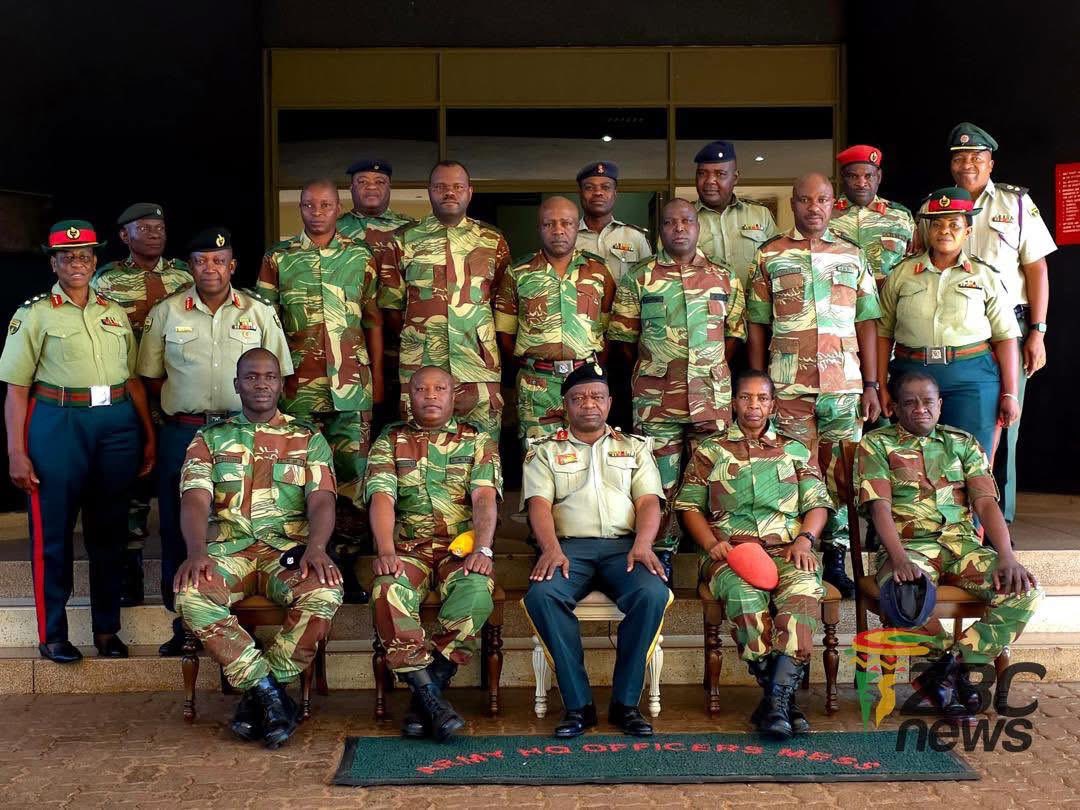
The promotion of President Emmerson Mnangagwa’s son, Sean Mnangagwa, within the Zimbabwe Defence Forces (ZDF) has triggered a heated legal and political debate, with critics questioning the legality and ethics of the decision.
By Advent Shoko
Constitutional law expert Professor Lovemore Madhuku has argued that the promotion of Major Sean Mnangagwa and other officers to Lieutenant Colonel raises serious concerns of conflict of interest. He said the President, as Commander-in-Chief, should have recused himself from the decision. Madhuku said:
“President Mnangagwa is not legally powered to do what he has done. The promotion is null and void. He must leave that to his VPs.”
He added that when a president is conflicted, decision-making should be delegated, similar to situations involving incapacity or absence. He said:
“Where a biological child is involved, the office holder cannot make decisions of that nature. That responsibility must be handled by a Vice President or another designated authority.”
Sean Mnangagwa, who serves in the Presidential Guard, is part of the President’s close protection team. His elevation has fuelled wider speculation over internal security tightening, particularly amid political tensions linked to proposed constitutional amendments that could extend presidential tenure limits.
However, the Presidency has strongly rejected the criticism. Presidential spokesperson George Charamba dismissed Madhuku’s comments as “legally fatuous and socially spiteful,” insisting that promotions within the Zimbabwe National Army follow structured procedures and merit-based recommendations.
“The Commander-in-Chief acts with full constitutional authority,” Charamba said, adding that all promotions go through established military processes before approval.
The promotion has also drawn political support. ICT Minister Tatenda Mavetera and ZANU PF Youth League leader Tendai Chirau defended the move, arguing that young officers have historically risen quickly in military ranks based on merit and service records.
As the debate intensifies, the issue has once again placed questions of governance, institutional independence, and perceived political influence at the centre of Zimbabwe’s civil-military discourse.
Leave a Reply