
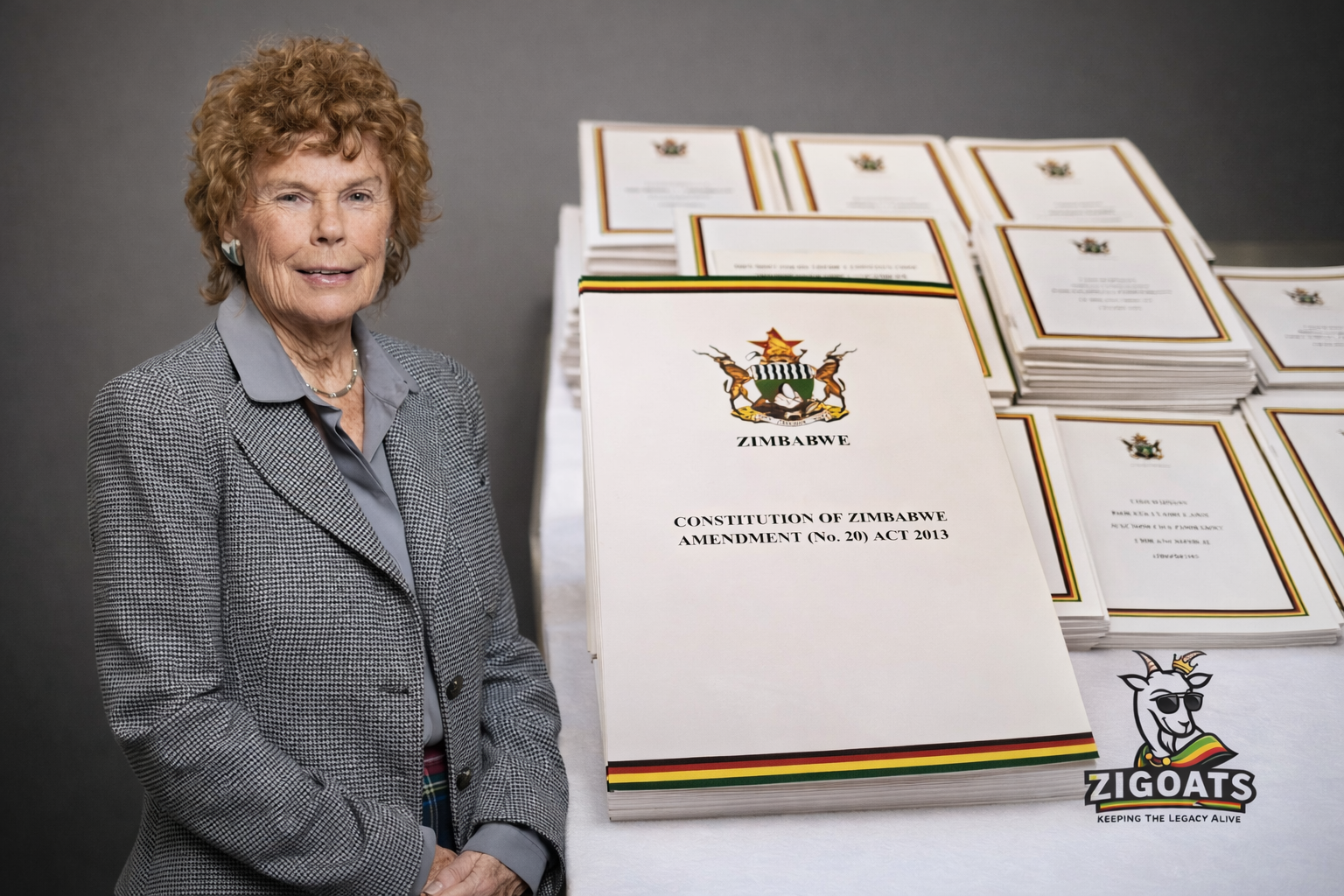
Tensions over Zimbabwe’s proposed constitutional reforms have spilled into the United Kingdom’s Parliament, with senior British peer Catharine Hoey launching a blistering critique of Harare’s direction, warning the changes amount to “an attack on democracy.”
By Advent Shoko
The proposed Constitutional Amendment Bill No. 3 seeks to overhaul Zimbabwe’s governance framework by replacing direct presidential elections with an electoral college system, extending terms from five to seven years, and altering key institutional powers. Critics fear it centralises authority, weakens electoral accountability, and creates legal pathways for prolonged incumbency, raising serious concerns about democratic backsliding and constitutional integrity.
Speaking in the House of Lords on April 16, Hoey pressed Foreign Office minister Lord Johnson over Zimbabwe’s Constitutional Amendment Bill No. 3, a controversial proposal that could significantly reshape the country’s governance architecture.
At the heart of the concern is a plan to scrap direct presidential elections in favour of an electoral college system, while also extending presidential and parliamentary terms from five to seven years, moves critics say could entrench executive power. Hoey accused authorities of suppressing opposition and civil society voices. She said:
“The proposed Constitutional Bill in Zimbabwe is an attack on democracy… Rule by terror and threat of terror from ZANU-PF.”
She went further, alleging that the reforms are unfolding alongside “continued brutality, beatings, torture and imprisonment against opposition figures,” and called for a tougher diplomatic stance from London.
A delicate diplomatic balancing act
Responding on behalf of the UK government, Johnson acknowledged the concerns but struck a more measured tone, reflecting a shift in Britain’s diplomatic posture toward Zimbabwe. He said:
“The UK officials remain in contact with the Government of Zimbabwe, civil society and other stakeholders… constitutional amendments are a sovereign legislative matter for Zimbabwe.”
While affirming Zimbabwe’s sovereignty, Johnson stressed that freedom of expression, peaceful assembly, and association remain “essential to democracy.” He confirmed that the UK ambassador in Harare had raised concerns directly with Zimbabwean authorities.
Significantly, Johnson signalled a departure from past confrontational approaches. He said:
“Twenty years of megaphone diplomacy didn’t get us anywhere and we are now in the business of engaging.”
Controversy over public consultations
The debate comes amid mounting scrutiny of the consultation process surrounding the bill. A report by the Zimbabwe Human Rights Commission described the hearings as “highly managed,” with limited space for dissenting voices, civil society, and the media.
However, that report has since been voided due to lack of quorum, raising fresh governance questions, particularly after new commissioners were sworn in on April 15.
This sequence of events has intensified suspicions among critics, who argue that institutional processes are being reshaped in ways that undermine oversight and accountability.
Regional and continental implications
Hoey also widened the lens, calling for a “radical reappraisal” of UK engagement with regional bodies such as Southern African Development Community and the African Union, arguing that democratic deficits across Africa hinder sustainable development.
Her intervention underscores a growing international concern: that constitutional engineering, if not transparently and inclusively managed, risks eroding democratic legitimacy not only in Zimbabwe but across the region.
A defining governance moment
As the bill heads toward parliamentary votes, it has become more than a domestic legal reform, it is now a test case for Zimbabwe’s constitutionalism, institutional independence, and democratic trajectory.
For citizens, opposition actors, and international observers alike, the stakes are clear: whether the reform process strengthens governance or recalibrates power in ways that could reshape Zimbabwe’s political future for years to come.
Leave a Reply