
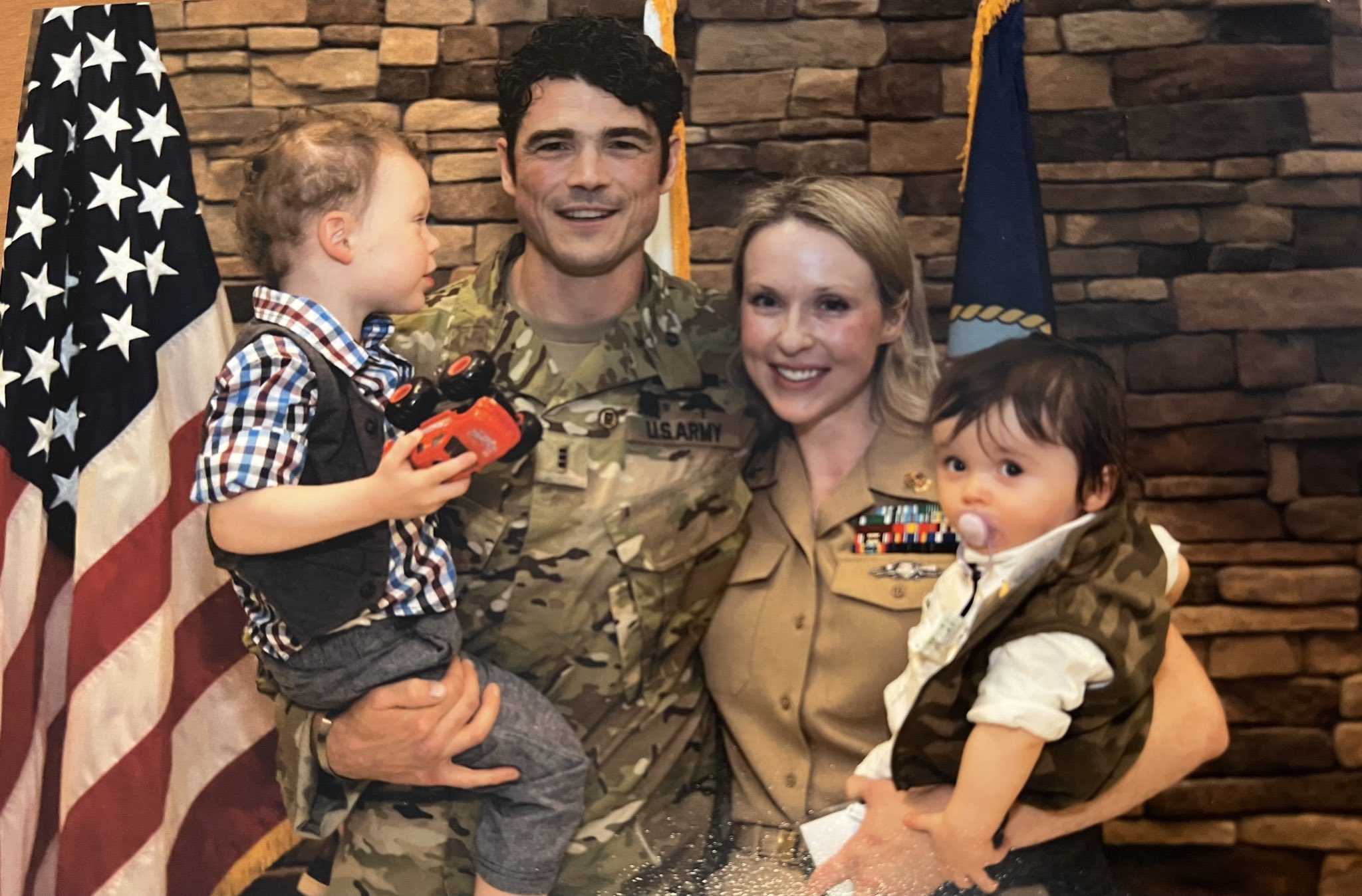
US National Counterterrorism Center Director Joe Kent resigns, citing ethical and legal concerns over what he calls an unjustified war on Iran, raising questions about international law and US foreign policy direction.
A dramatic shake-up has hit Washington’s national security establishment after Joe Kent, Director of the National Counterterrorism Center (NCTC), resigned with immediate effect, citing deep ethical concerns over what he described as an “unjustified” war on Iran.
In a strongly worded resignation letter addressed to President Donald Trump, Kent said he could no longer support the direction of US foreign policy, arguing that the conflict lacked a clear legal and moral basis. His departure marks one of the most high-profile protests from within the US security apparatus in recent years. In a statement that immediately ignited debate across political, diplomatic, and military circles, Kent said:
“I cannot in good conscience support the ongoing war in Iran. Iran posed no imminent threat to our nation.”
A Clash of Policy and Principle
Kent, a retired Green Beret and seasoned counterterrorism official, had been serving under the Office of the Director of National Intelligence led by Tulsi Gabbard. His resignation signals a rare internal rupture, where professional intelligence leadership openly challenges executive military decisions.
At the core of Kent’s argument is a key principle of international law: the prohibition of the use of force unless in self-defence or with authorisation from the United Nations Security Council. By stating that Iran posed “no imminent threat,” Kent effectively questions whether the legal threshold for self-defence was ever met.
This raises serious implications under the United Nations Charter, particularly Article 51, which permits self-defence only in response to an armed attack or imminent danger.
You May Like This
Historical Echoes of Iraq
Kent’s warning carries historical weight. He drew parallels with the 2003 Iraq War, a conflict widely criticised for being launched on disputed intelligence claims about weapons of mass destruction. Kent stated:
“This is the same tactic… used to draw us into the disastrous Iraq war.”
He underscored fears of history repeating itself. For many analysts, his remarks revive long-standing concerns about intelligence politicisation and the influence of external actors in shaping US foreign policy.
He further alleged that pressure from Israel and its allies contributed to the escalation, a claim that, while controversial, reflects an ongoing debate about geopolitical lobbying and strategic alliances in Washington.
Strategic Contradictions
In a striking twist, Kent praised Trump’s earlier foreign policy stance, particularly actions such as the killing of Iranian General Qasem Soleimani and the defeat of ISIS, which he described as decisive yet limited engagements that avoided prolonged wars.
This contrast highlights what Kent sees as a departure from an “America First” doctrine, one that previously emphasised restraint and strategic precision over large-scale military entanglements.
Human Cost at the Centre
Beyond legal and strategic arguments, Kent’s resignation is deeply personal. A Gold Star husband who lost his wife Shannon Mary Kent in combat, he framed his decision around the human cost of war. He wrote:
“As a veteran who deployed to combat 11 times… I cannot support sending the next generation off to fight and die in a war that serves no benefit to the American people.”
This human dimension adds emotional weight to an already explosive political development, reminding observers that behind policy decisions lie real lives and lasting consequences.
What This Means Going Forward
Kent’s resignation could have far-reaching implications. Internally, it may embolden dissent within US institutions. Internationally, it raises questions about the legitimacy and sustainability of US military actions in the Middle East.
For allies and adversaries alike, the episode signals potential fractures in policy coherence at a time when global stability remains fragile.
More broadly, it reopens a fundamental question that has shaped modern geopolitics: when, if ever, is war justified?
As Washington grapples with that question, Kent’s parting words linger as both a warning and a challenge,one rooted in law, history, and lived experience.
Leave a Reply