
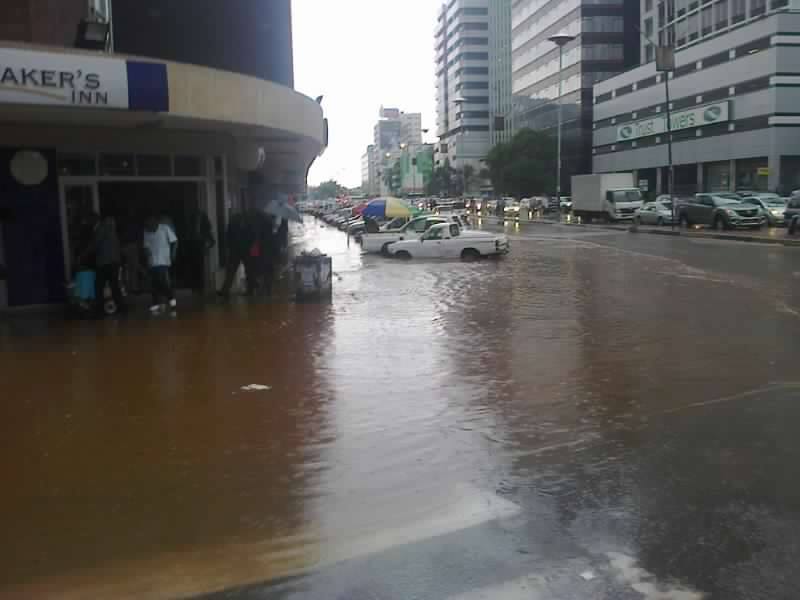
Opposition leader and advocate Fadzayi Mahere has sarcastically urged the Ministry of Transport to teach people how to swim as urban road flooding in Zimbabwe continues to be a problem during the rainy season, turning daily commuting into a risky affair.
Reacting to the worsening situation, Mahere, a former Member of Parliament for Mt Pleasant constituency, posted:
“🔸Ministry of Sport ngaitongodzidzisa vanhu kuswimmer because hapana hapana.🙌🏽
We need new leaders.🇿🇼”
Her remarks tap into a growing frustration among residents who, every rainy season, watch roads disappear under water like tributaries of the Limpopo River. The situation has become untenable and unbearable, with flooding now a predictable feature of urban life.
Residents often blame poor drainage systems, and fingers point squarely at local government authorities, which collects rates in exchange for delivering public services such as road maintenance and drainage management. Yet service delivery remains inconsistent and, in many cases, visibly lacking.
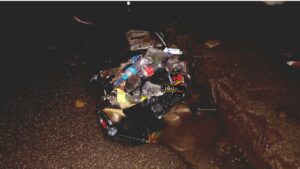
While walking through Harare’s Central Business District on Sunday, 11 January 2026, around 8pm CAT, this ZiGoats reporter experienced the problem first-hand. Poor lighting masked danger until a foot landed in ankle-deep water. A closer look revealed the real issue, a completely blocked drain.
Initial anger naturally went toward Harare City Council, led by Councillor Advocate Jacob Mafume. Drainage systems should be kept clear, inspected and maintained regularly. That responsibility cannot be wished away.
But the story does not end there.
Another drain meant to channel water away from the road was packed with litter, cardboard boxes, plastic and waste left behind by the day’s trading activity. Vendors had closed shop, but their rubbish remained. When the rains came, the litter flowed straight into the drainage system. The result? Flash floods and rivers on roads.
This is where the conversation becomes uncomfortable.
Residents, businesses and workers, particularly in the informal sector, must accept part of the blame. The economy has largely informalised, and vendors are surviving under difficult conditions. That reality is understood. But carelessness with waste management worsens an already fragile urban system.
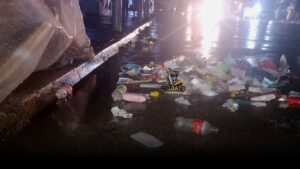
A nation reflects the discipline of its people. If individuals cannot dispose of litter responsibly, expecting clean cities simply because rates were paid is unrealistic. Rates should fund infrastructure development, water and sewer reticulation, road repairs, not endlessly clean avoidable mess.
President Emmerson Mnangagwa declared the first Friday of every month a National Clean-Up Campaign. It helps, but it is not enough for Harare’s CBD. Other cities like Kwekwe and Mutare show that cleaner urban living is possible. Harare’s challenge is as much about mindset as it is about infrastructure.
So the question remains: should the Ministry of Transport teach people to swim, or should citizens put litter where it belongs or both?
Leave a Reply