
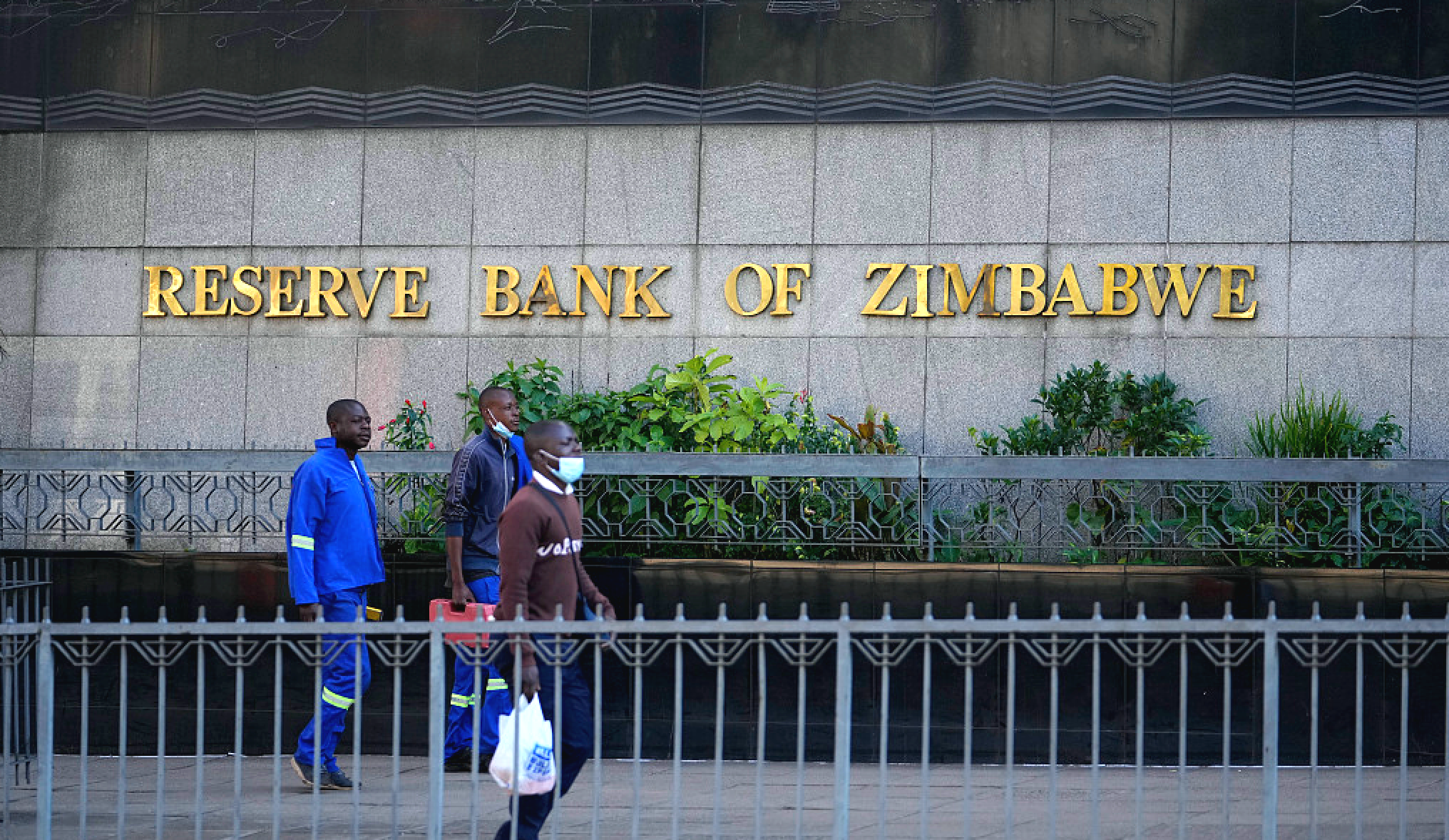
In a major policy announcement packed with reforms and market signals, the Reserve Bank of Zimbabwe (RBZ) on Friday 27 February 2026 unveiled new, larger ZiG banknotes and a suite of monetary measures designed to support growth, stabilise prices, and deepen financial activity across the economy. The policy, delivered by Governor Dr. John Mushayavanhu, reflects a cautious but optimistic outlook for 2026, one driven by inflation decline, export liquidity, and stronger financial intermediation.
New, Bigger ZiG Notes: What’s Changing
The RBZ announced the introduction of larger denomination ZiG banknotes for use in the domestic economy, including the new 10, 20, 50, 100 and 200 ZiG notes. These redesigned notes are expected to improve cash handling and transactional ease in a market still heavily reliant on cash for everyday trade.
In addition to the new notes, the Bank reviewed upward the individual and business ZiG withdrawal limits, giving households and firms greater access to liquidity without frequent visits to banks or institutions.
Officials emphasised that the new denominations are part of a broader strategy to support efficient cash circulation and reduce pressure on informal foreign currency usage.
Inflation Outlook and Policy Rate
Governor Mushayavanhu pointed to continuing progress on price stability, notably improvements registered by January 2026. A key metric highlighted was the projected annual inflation rate falling to 4.1 percent, a level that informed the RBZ’s decision to lower its policy rate to 35 percent.
This downward revision, from previously higher levels, signals confidence that inflation dynamics are stabilising as macroeconomic conditions improve.
Exchange Rate Stability and Export Liquidity
The policy statement underscored the role of export proceeds liquidations in bolstering the interbank market. Export earnings continue to provide essential liquidity at auction and in over‑the‑counter trading, helping narrow the exchange rate premium.
The RBZ now expects the exchange rate premium to remain below 20 percent, a notable shift from wider spreads in earlier periods. Stabilising the rate is central to restoring business confidence, encouraging investment, and reducing speculation in alternative foreign currency markets.
Growth, IMF Agreement, and Economic Outlook
In a significant development, Zimbabwe and the International Monetary Fund (IMF) reached a Staff Level Agreement on economic policies and reforms. While not a final IMF programme, such an agreement lays the groundwork for cooperation on fiscal discipline, structural reforms, and monetary transparency.
The RBZ forecasted that the economy is expected to grow by at least 5 percent in 2026, driven by continued strong commodity prices, particularly in mining, agriculture, and energy sectors. This growth projection is among the most optimistic forecasts in recent years and reflects improved confidence among exporters and investors.
Financial Intermediation and Banking Charges
One of the more tangible impacts for everyday users concerns bank charges and transaction fees. The RBZ has directed commercial banks to reduce point‑of‑sale (POS) charges to a maximum of 1.5 percent of the transaction amount for both local and international card payments.
This move, along with measures to reduce other banking fees, is intended to deepen financial intermediation, encouraging more Zimbabweans and businesses to transact through formal banking channels rather than cash or informal systems. Reduced charges should improve business cash flow and reduce the cost of commerce for consumers.
Mobile Money & ZIPIT Transaction Limits
The RBZ confirmed that mobile money and ZIPIT transaction limits for US dollar accounts will be maintained at current levels, reflecting a cautious approach to balancing convenience with financial stability.
While limits were kept, authorities emphasised ongoing reviews to ensure mobile platforms continue to support economic activity without compromising macroprudential safeguards.
What This Means for Zimbabweans
- Easier cash access with larger ZiG notes and increased withdrawal limits
- Lower cost of banking thanks to reduced POS charges
- More stable currency dynamics as the exchange rate premium narrows
- Business and investment confidence supported by positive growth projections and IMF engagement
- Inflation largely under control, allowing monetary policy to support growth over price defence
Looking Ahead
The RBZ’s 2026 Monetary Policy Statement signals a shift from crisis management to measured structural support. New banknotes, lower policy rates, and financial sector reforms provide both households and businesses with tools to navigate a recovering economy. With exports underpinning liquidity and growth forecasts trending upward, authorities appear determined to entrench stability while fostering confidence in Zimbabwe’s financial system.
Leave a Reply