
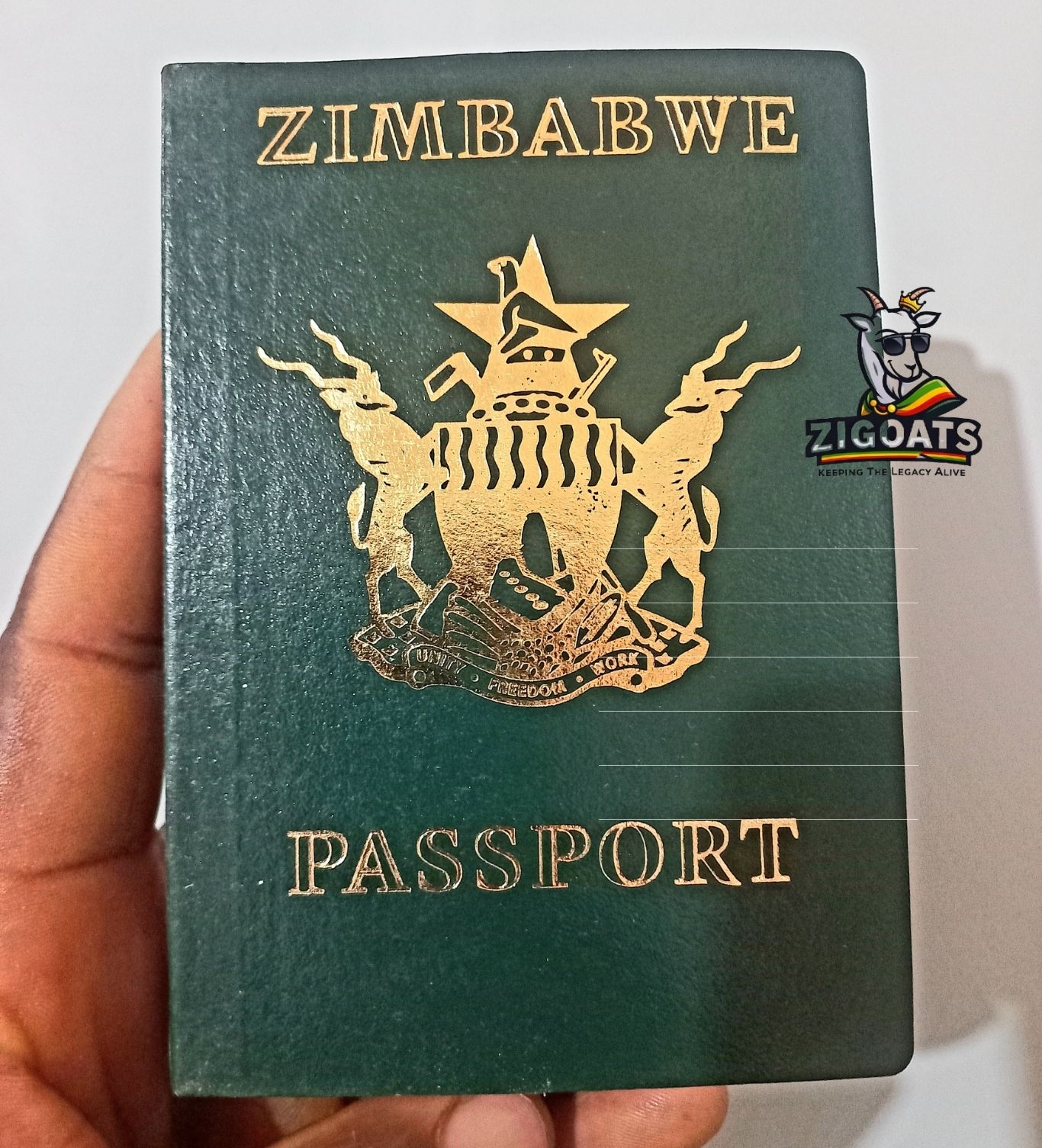
There are growing calls from some Zimbabweans, both at home and in the diaspora, for Government to either drastically reduce passport fees or effectively make them “free” through heavy subsidies. The debate has intensified amid concerns that Zimbabwean passport costs are significantly higher than in neighbouring countries, limiting freedom of movement and economic opportunity.
Comparisons Across SADC
When compared to regional neighbours, Zimbabwe’s passport fees remain significantly higher. A standard Zimbabwean passport costs US$150 for ordinary processing and up to US$250 for emergency issuance.
In Botswana, an adult passport costs about US$40, while minors under 16 pay around US$12. Replacing a lost passport is roughly US$140.
In South Africa, an adult 32-page tourist passport costs R600 (about US$32), while a 48-page maxi passport costs R1,200 (approximately US$65). A child passport also costs around US$32.
In Zambia, a 32-page passport costs about US$13 for standard issuance and US$21 for express processing. A 48-page passport costs approximately US$21 standard and US$29 express.
The contrast is stark. In some neighbouring countries, a passport costs less than a quarter of Zimbabwe’s standard fee, despite similar or lower income levels.
In many of these countries, passports are treated mainly as essential identity and travel documents rather than revenue-generating instruments. This has fuelled debate among Zimbabweans who feel priced out of a basic civic document.
You May Like This
Call for Free or Heavily Subsidised Passports
Advocates argue that Zimbabwean passports should be close to “free”, meaning affordable enough not to restrict access.
Estimates indicate that over 900,000 Zimbabweans live in South Africa alone, with many others spread across the United Kingdom, Botswana and beyond. Diaspora remittances remain a key pillar of Zimbabwe’s economy, running into billions of US dollars annually.
Supporters say making passports widely accessible would regularise citizens abroad, reduce deportation fears and potentially strengthen remittance inflows. In their view, affordable passports are not a giveaway, but an economic strategy.
Why Zimbabwean Passports Are Expensive: The BOT Set-Up
Zimbabwe’s higher passport fees are closely linked to the Build‑Operate‑Transfer (BOT) model the Government adopted when it modernised the biometric passport system. In 2021, Cabinet approved a deal with Garsu Pasaulis, a Lithuania‑registered company owned by Semlex Europe, itself controlled by Belgian national Albert Karaziwan. Karaziwan, born in Aleppo and based in Belgium, founded Semlex in 1992 and built a family‑run security‑technology business that supplies passports, national IDs and other credentials to governments.
Under the BOT arrangement, the private partner financed and installed the biometric production infrastructure and recoups its investment through passport fees before transferring control back to the Government. While officials framed this as a zero‑cost offer to Zimbabwe’s fiscus, critics note the contract was handed out without an open tender process and have raised questions about transparency and long‑term cost recovery terms.
Leave a Reply