
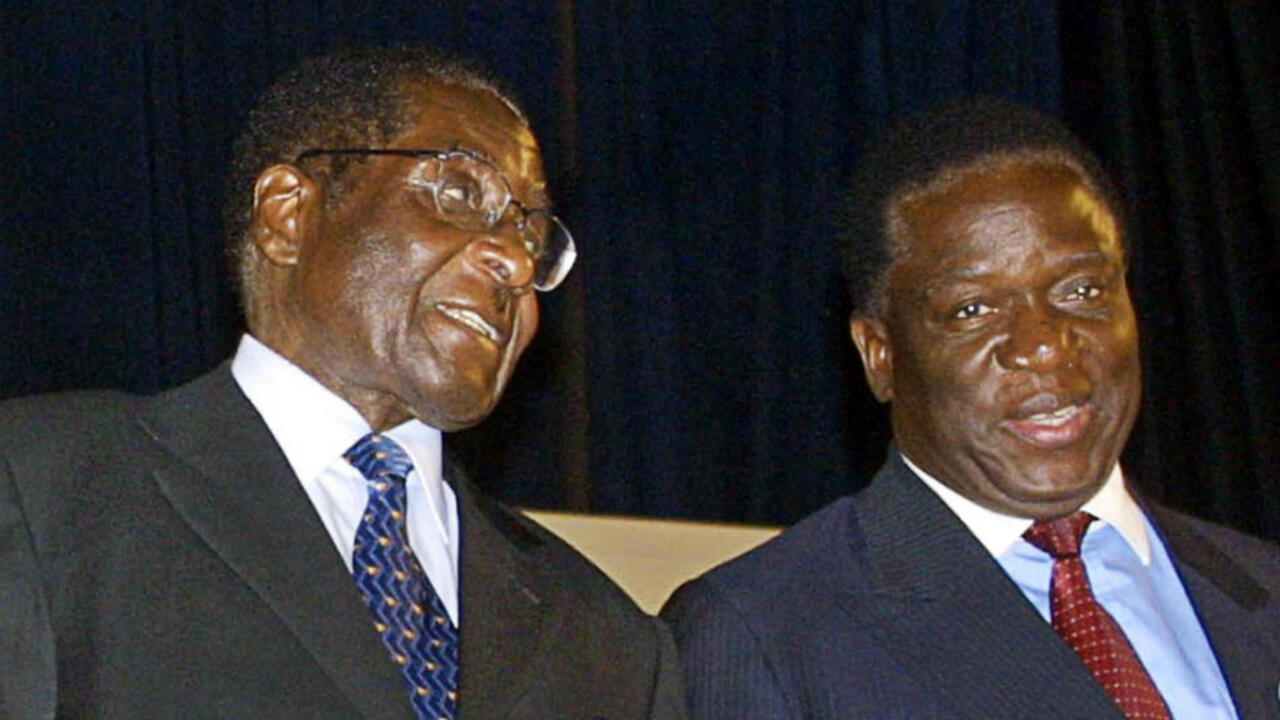
ZANU PF spokesperson Christopher Mutsvangwa says President Emmerson Mnangagwa is fully aware of the risks that come with advanced age and prolonged time in office, a striking admission that has reignited debate over Zimbabwe’s political future beyond 2030.
Mnangagwa was originally set to conclude his second and final term in 2028. However, if Constitutional Amendment Bill No. 3 of 2026 succeeds, his tenure could potentially extend to 2030. At the same press briefing, ZANU PF spokesperson Ambassador Christopher Mutsvangwa defended the proposal, pointing to what he described as improved economic prospects and visible gains from President Emmerson Mnangagwa’s engagement and re-engagement policy. He cited ongoing development projects as justification for continuity in leadership. Addressing journalists at the party headquarters in Harare, Mutsvangwa expressed confidence that Amendment No. 3 would pass through all legislative stages, allowing the President to continue driving his development agenda.
When Mutsvangwa was asked what Mnangagwa would do if persuaded by the party to continue leading beyond 2030, his response was unusually reflective, and laced with historical caution. He said:
“It’s a personal decision. It’s a personal decision. You see, we saw what old age can do to a leader when he was vice president in the first republic. So he must be very conscious in his mind about at what time one should go or not go. He is a very intelligent man. He has been long in the trenches surviving. In fact, those who were against Zimbabwe, they actually wonder how he survived to eventually be where he is today. So he’s going through it all.”
The reference was unmistakable, the final years of Robert Mugabe, who ruled Zimbabwe for 37 years before resigning in November 2017 following a military-assisted transition.
The Mugabe Precedent
In his final stretch in office, Mugabe, then 93, appeared physically frail and politically isolated. He famously read the wrong speech at a public event and continued without realising the error, an incident that fuelled public concern over his capacity to govern. His supporters had boldly declared he would rule “from a wheelchair” or even “from the grave,” but the political tide had turned.
Mnangagwa, who was Mugabe’s long-time ally and later rival, took over after the dramatic events of November 2017. Now 83, official records show he would be 87 by 2030, just six years younger than Mugabe when he exited power.
Constitutional Questions and 2030 Debate
The comments come amid heated discussions around constitutional amendments that critics argue could potentially extend Mnangagwa’s rule to 2030. While government officials insist there is no formal move to alter presidential term limits for personal benefit, speculation persists within political corridors.
Zimbabwe’s Constitution currently limits presidents to two five-year terms. Mnangagwa was elected in 2018 and re-elected in 2023, meaning his second term ends in 2028. Any extension would require significant constitutional manoeuvring.
Mutsvangwa’s remarks appear to strike a careful balance, acknowledging historical lessons while framing the decision as deeply personal.
A Subtle Signal?
Political analysts say the statement is significant because it publicly recognises the dangers of clinging to power, a topic often avoided within ruling party structures. Others interpret it as a strategic reassurance aimed at calming both domestic and international concerns about democratic succession.
What is clear is that Mugabe’s final years remain a powerful political memory in Zimbabwe. And as 2030 looms on the horizon, the question of timing, and legacy, is once again central.
For now, the spokesperson’s message is simple: Mnangagwa has seen what old age can do to a leader who stays too long.
Whether that awareness translates into action remains a matter of personal decision, and political calculation.
Leave a Reply