
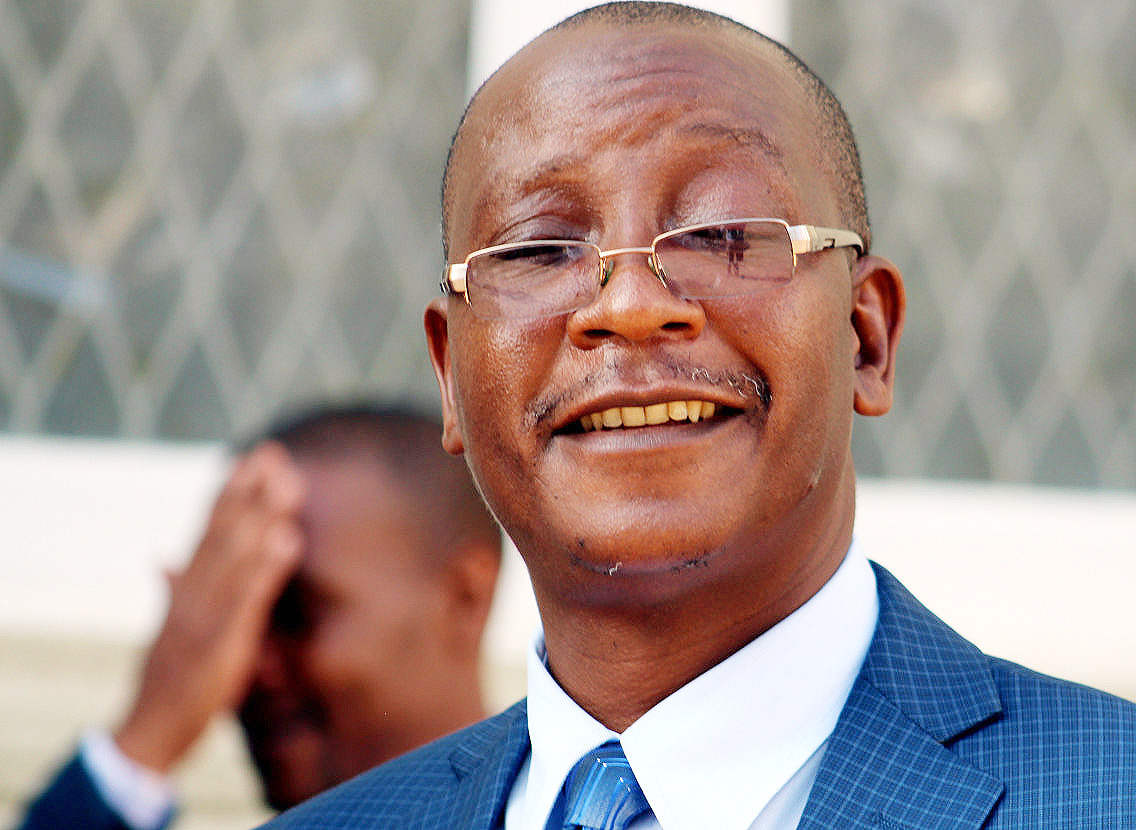
Harare, Zimbabwe – Justice, Legal and Parliamentary Affairs Minister Ziyambi Ziyambi has said that the Constitutional Amendment Bill No. 3 of 2026 does not require a referendum, as it only seeks to extend the electoral cycle from five to seven years, not presidential term limits.
Speaking during an interactive session with journalists in Harare this week, Minister Ziyambi emphasised that Sections 91(2) and 328, which protect presidential term limits, remain unchanged. He explained that the Bill solely amends Section 95 to harmonise election cycles for all offices, including councillors and the President. Minister Ziyambi said:
“In this Constitution, terms of office are five years and coterminous with the life of Parliament. The Bill elongates the electoral cycle from five to seven years.
That’s all it’s doing, to elongate the election cycle from five to seven years for everyone, from councillors to the President. It’s not specific to a person. It’s the office of the President.”
Minister Ziyambi also addressed widespread misconceptions surrounding the Bill. He clarified that referendums are only required for amendments to Chapter 4 (Declaration of Rights), Chapter 16 (Agricultural Land), or Section 328 itself when altering specific constitutional safeguards.
He cited historical precedent, noting that in 2007, Zimbabwe reduced the presidential election cycle from six to five years without a referendum to align with parliamentary elections. Ziyambi said:
“These assertions are profoundly misguided and demand unequivocal repudiation. The constitutional amendment architecture is lucidly prescribed in section 328.”
You May Like This
Minister Ziyambi insists that extending Zimbabwe’s election cycle from five to seven years does not alter presidential term limits, which remain at two terms. However, the practical effect is that incumbents, including President Emmerson Mnangagwa, could stay in office longer between elections, potentially serving up to 2030 under the new cycle. While the change technically applies to all offices and not a specific individual, critics argue it subtly benefits the current president and may confuse the public about the real impact on presidential tenure. They are also worried about the removal of the right to elect presidents from the masses to Members of Parliament (MPs).
The Minister further explained that moving to a parliamentary election for the President aligns Zimbabwe with international best practices, as seen in South Africa, Botswana, the United Kingdom, the United States, and Germany.
Ziyambi emphasised that the Bill respects democratic norms, preserves term limits, and only seeks administrative adjustments to election timing, not tenure extension.
Leave a Reply