
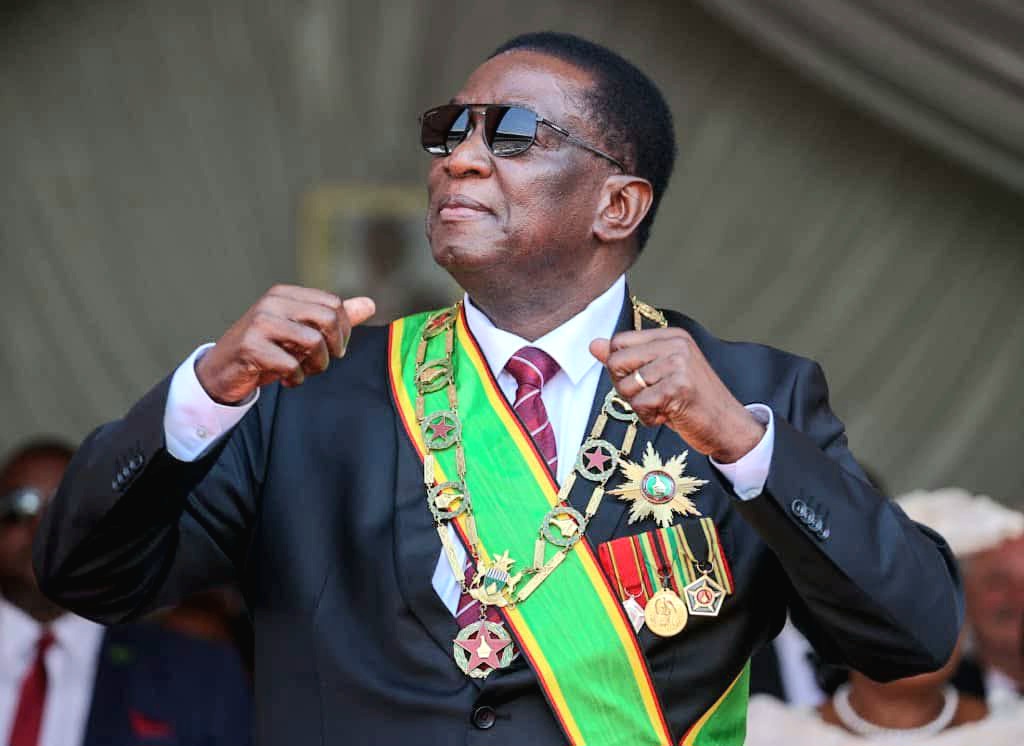
The Government has officially gazetted the draft Constitutional Amendment No. 3 Bill, a major legal move that could extend President Emmerson Mnangagwa’s current term and fundamentally change how Zimbabwe chooses its Head of State.
Gazetting means the Bill has now been formally published in the Government Gazette, making it official and opening the door for the next stage of the law-making process. It does not mean the law has passed, but it signals that the amendment process has begun.
What Gazetting Means for Zimbabwe
If passed, the Bill will:
- Extend the presidential term from five years to seven years.
- Change how the President is elected — shifting from a direct public vote to election by Members of Parliament (MPs).
- Introduce structural changes affecting key constitutional bodies and oversight institutions.
- Affects succession in ZANU PF.
In simple terms, this would move the power to choose the President from ordinary voters to elected legislators.
90 Days of Public Debate
Following gazetting, Parliament will now open a 90-day period of public consultation and debate. During this time, Zimbabweans are expected to give their views before the Bill is formally tabled for debate in Parliament.
Only after this stage can lawmakers vote on the proposed changes.
Government’s Justification
According to the memorandum attached to the Bill, the proposed amendments:
“introduce a set of constructive reforms that… reinforce constitutional governance, strengthen democratic structures, clarify institutional mandates, and harmonise Zimbabwe’s constitutional order with tested and successful practices in other progressive jurisdictions.”
Government argues the reforms are designed to modernise and streamline governance structures while promoting long-term political stability.
Why It Matters
Changing presidential term limits and the method of electing the President touches the core of Zimbabwe’s democratic framework. The current Constitution, adopted in 2013 after a national referendum, provides for direct presidential elections and fixed five-year terms.
Any alteration to those pillars is likely to spark intense national debate, both inside Parliament and among citizens. Debate outside Parliament has already begun. Some civic groups are approaching the courts to stop it.
Leave a Reply