
By Advent Shoko
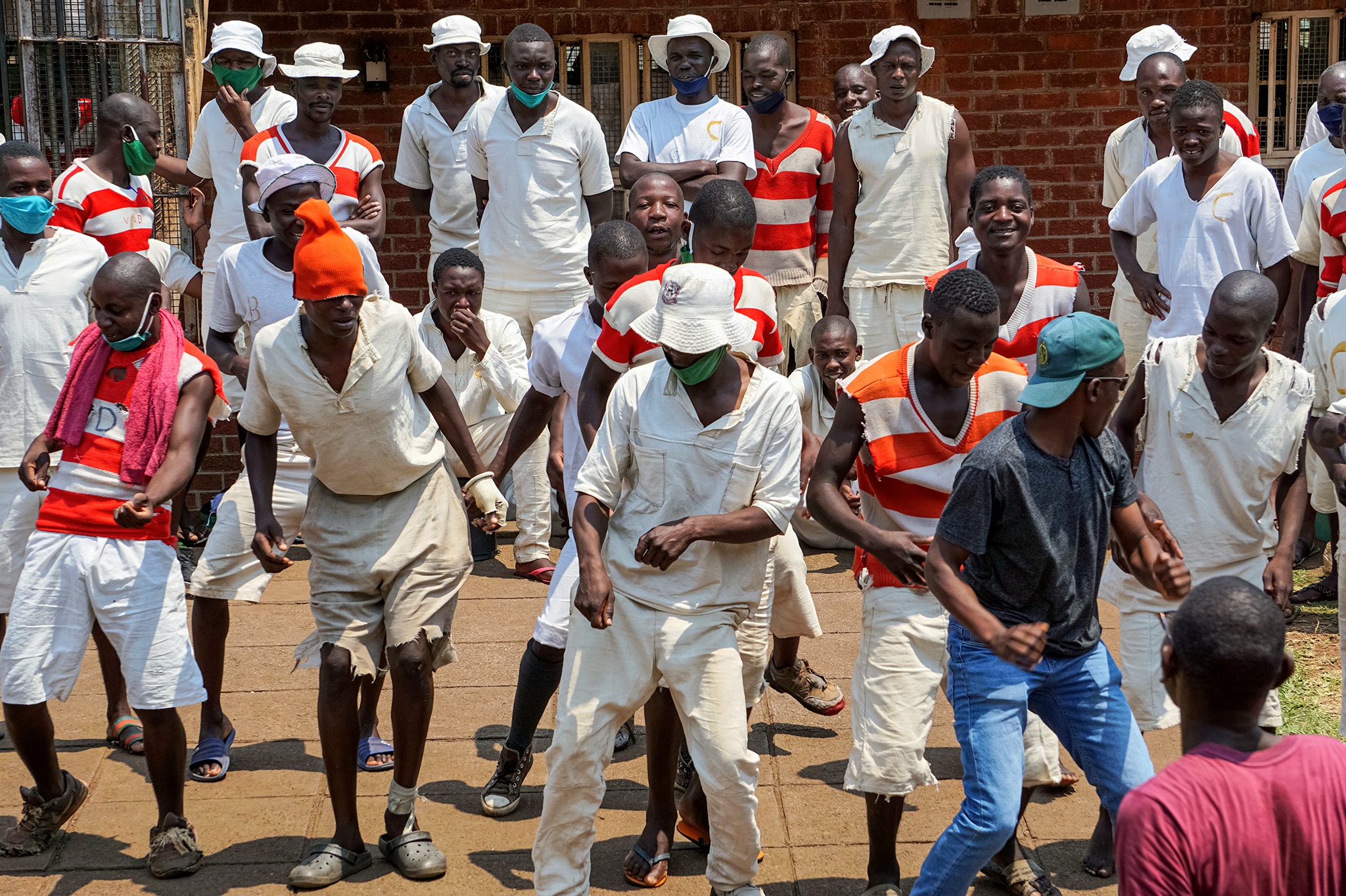
The gates of prisons are about to open for thousands of inmates in Zimbabwe under the 2026 Presidential Amnesty. On paper, it is an act of mercy. In reality, it’s a moment loaded with uncertainty, hope, and risk.
Justice Minister Ziyambi Ziyambi announced that the following categories of inmates will benefit from this year’s general amnesty:
- All convicted female prisoners
- Juveniles
- Prisoners serving effective sentences of 48 months and below
- Terminally ill inmates
- Prisoners in Open Prisons
- Prisoners aged 60 and above
- Life prisoners who have served at least 20 years
- Prisoners living with disabilities
- Prisoners serving more than 48 months, who will receive an additional one-quarter remission
It is one of the broadest amnesties seen in recent years, easing prison congestion and sending a strong message that mercy has its place in justice. But mercy alone does not feed families, keep people safe, or stop a cycle of crime.
The Reality Outside
I have been covering crime and courts for years, and I’ve seen this story unfold before. Amnesty is announced. Families celebrate. Communities welcome home their relatives. But weeks later, some of these same people find themselves back behind bars.
The problem isn’t that they want to do wrong. It’s that life outside is hard. Jobs are scarce. The economy is unforgiving. Many inmates leave prison with no savings, no work experience, and criminal records that make finding honest work nearly impossible.
Reason Makarawu, a social commentator, puts it bluntly:
“We want to thank the president for showing mercy. However, I’m appealing to His Excellence to ensure these people, especially those who won’t be meaningfully occupied, are given menial jobs like road maintenance. They have been doing these jobs in prison. To be released and start looking for a job, or create your own in this economy, might take ages. Some end up taking the shortest route, crime.”
Mercy Without Support Is Incomplete
Zimbabwe’s prisons do more than lock people up. They run farms, workshops, and vocational programmes. Inmates learn skills, carpentry, metalwork, agriculture, roadwork. But too often, these skills are left to gather dust the day they leave.
It is not just a question of justice; it is one of resources. The State has fed, housed, and trained these individuals. If they reoffend, all that investment is wasted.
There is also the often-overlooked perspective of victims. Restorative justice advocates argue that crime is not fully “paid for” behind bars. Property remains stolen, money is lost, and communities are left to pick up the pieces. Some suggest combining jail time with public service or restitution, ensuring that victims and communities see tangible accountability.
The Human Cost
Not every released inmate will reoffend. Many will seize this second chance with gratitude. Juveniles deserve it, older inmates deserve it, those who were jailed for minor offences deserve it.
But the young, desperate, and unskilled risk falling back into crime if no safety net exists. Mercy without a plan for real work, real skills, and real reintegration is mercy that may be wasted.
Zimbabwe has shown humanity by opening the prison gates. Now it must show vision by ensuring those who walk through them can build lives worth living, honestly, safely, and productively. Otherwise, as critics warn, mercy becomes temporary, and the cycle simply starts over.
Leave a Reply