
By Advent Shoko
Harare – The World Health Organization (WHO) has issued an updated briefing on the Nipah virus (NiV) after India confirmed two cases among health-care workers in West Bengal late last month. The update, released on 30 January 2026, says the situation is being closely monitored and remains contained, with no evidence of wider spread.
According to WHO, both cases were reported at the same private hospital in Barasat, North 24 Parganas district, and were confirmed through laboratory testing at India’s National Institute of Virology in Pune. One patient remains in intensive care on mechanical ventilation, while the other has shown clinical improvement and is recovering.
Crucially, health authorities traced and tested more than 190 contacts, including hospital staff and community members. All tested negative, and no new cases have been detected so far.
What is Nipah virus?
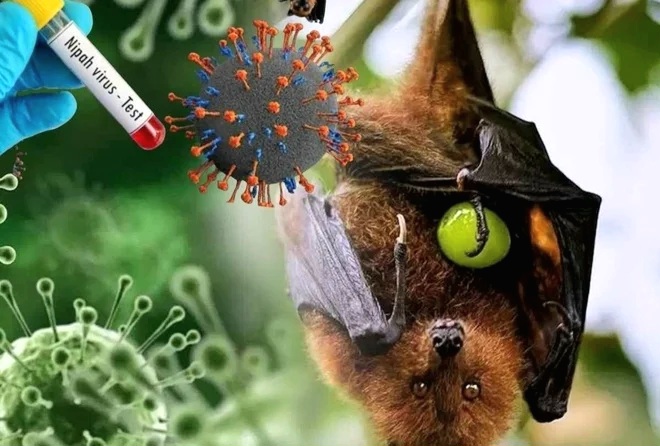
Nipah virus is a rare but serious zoonotic disease, meaning it spreads from animals to humans. The virus is naturally carried by fruit bats (flying foxes) and can infect people through contaminated food, close contact with infected animals, or direct person-to-person contact.
Symptoms often start like a common illness, fever, headache, muscle pain, vomiting, or sore throat, but in severe cases can progress rapidly to brain infection (encephalitis), seizures, and coma. Some patients also develop serious breathing problems.
There is no licensed vaccine or specific treatment for Nipah virus. Treatment focuses on early supportive care, which WHO says significantly improves survival when cases are detected quickly.
WHO’s risk Assessment of the Nipah Virus
WHO has assessed the current outbreak risk as moderate at the local (sub-national) level, but low at national, regional, and global levels. The agency stresses that there is no evidence of cross-border transmission, and the outbreak remains geographically limited.
This is the third Nipah outbreak reported in West Bengal, following earlier incidents in 2001 (Siliguri) and 2007 (Nadia district). India has also experienced outbreaks in Kerala since 2018, giving the country strong experience in detection and response.
Strong public health response in place for the Nipah Virus
Indian authorities, working closely with WHO, have activated established outbreak control measures. These include enhanced surveillance, strict infection prevention and control in health facilities, rapid laboratory testing, and ongoing contact tracing.
Health-care workers have been alerted to watch for symptoms, while public awareness campaigns are being used to reduce panic and promote early reporting. WHO says India’s existing surveillance systems, rapid response teams, and laboratory capacity have helped contain the situation quickly.
How the public can reduce risk of spreading Nipah Virus
WHO is not recommending any travel or trade restrictions. Instead, it is urging simple, practical precautions, especially in affected regions:
- Wash and peel fruits before eating
- Avoid raw date palm sap
- Wash hands regularly with soap
- Avoid close contact with sick individuals
- Seek medical care early if symptoms appear
Health experts emphasise that early care saves lives, and misinformation can cause unnecessary fear.
Leave a Reply